
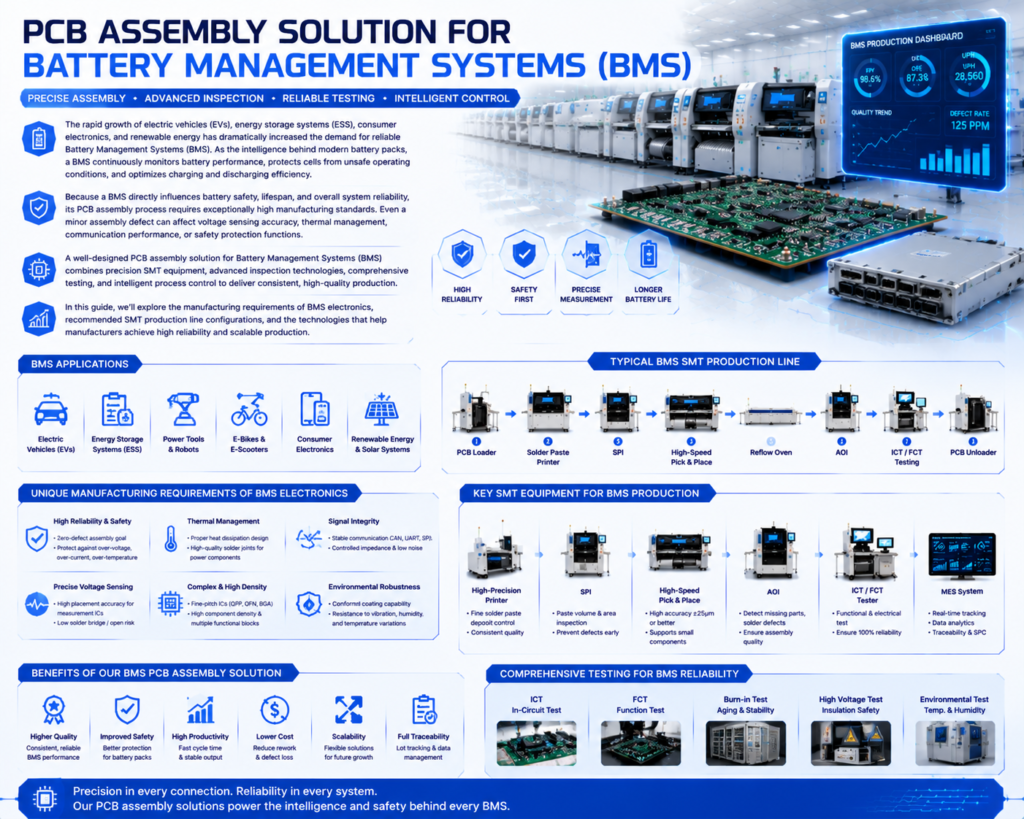
The rapid growth of electric vehicles (EVs), energy storage systems (ESS), consumer electronics, and renewable energy has dramatically increased the demand for reliable Battery Management Systems (BMS). As the intelligence behind modern battery packs, a BMS continuously monitors battery performance, protects cells from unsafe operating conditions, and optimizes charging and discharging efficiency.
Because a BMS directly influences battery safety, lifespan, and overall system reliability, its PCB assembly process requires exceptionally high manufacturing standards. Even a minor assembly defect can affect voltage sensing accuracy, thermal management, communication performance, or safety protection functions.
A well-designed PCB assembly solution for Battery Management Systems (BMS) combines precision SMT equipment, advanced inspection technologies, comprehensive testing, and intelligent process control to deliver consistent, high-quality production.
In this guide, we’ll explore the manufacturing requirements of BMS electronics, recommended SMT production line configurations, and the technologies that help manufacturers achieve high reliability and scalable production.
PCB Assembly Solution for Battery Management Systems (BMS)
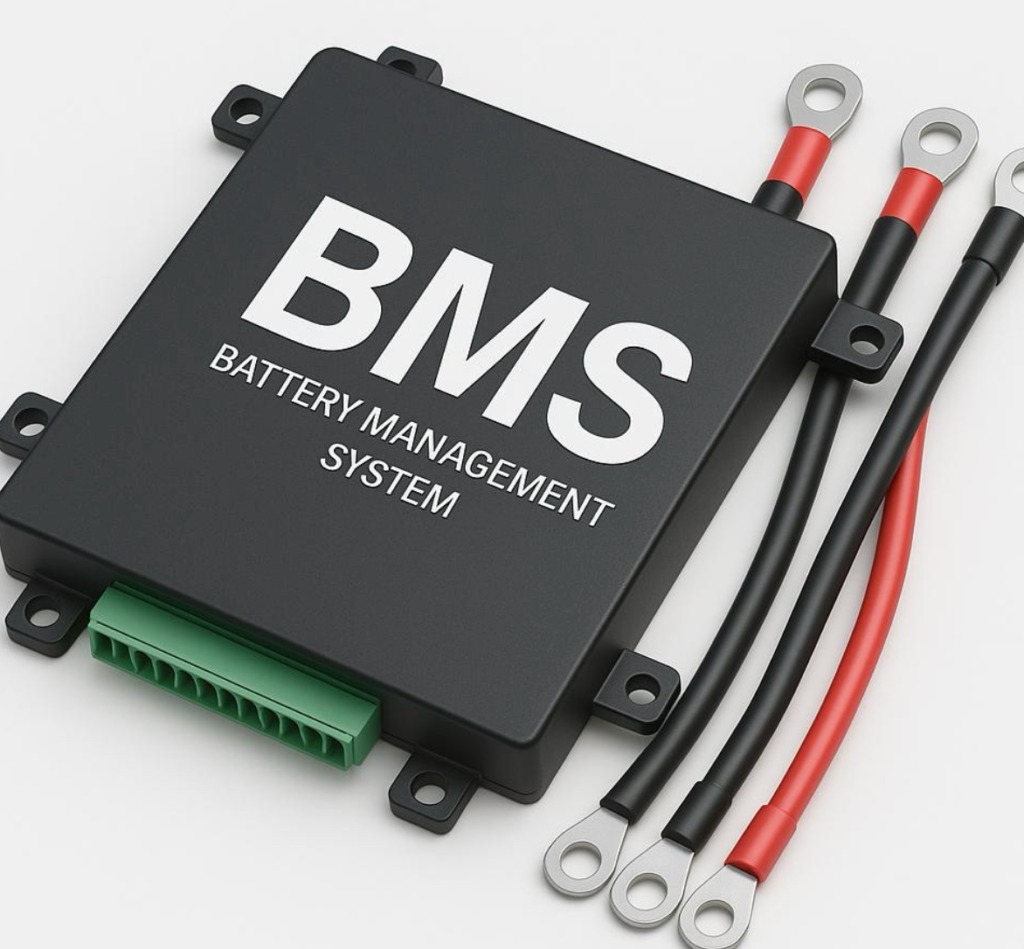
A Battery Management System (BMS) is an electronic control system that monitors, protects, and optimizes rechargeable battery packs.
Typical BMS functions include:
- Cell voltage monitoring
- Current measurement
- Temperature monitoring
- State of Charge (SOC) estimation
- State of Health (SOH) analysis
- Cell balancing
- Overcharge protection
- Over-discharge protection
- Short-circuit protection
- Communication with vehicle or energy management systems
BMS PCBs are widely used in:
- Electric vehicles (EVs)
- Hybrid electric vehicles (HEVs)
- Energy storage systems (ESS)
- Solar battery systems
- UPS power systems
- Industrial battery packs
- Consumer electronics
- E-bikes and electric scooters
Why BMS PCB Assembly Requires High Reliability
Unlike ordinary consumer electronics, BMS products operate in safety-critical applications.
PCB assembly defects may lead to:
- Incorrect voltage measurement
- Cell imbalance
- Charging failures
- Thermal runaway risks
- Communication interruptions
- Battery degradation
- Reduced system lifespan
As a result, BMS manufacturing emphasizes precision, traceability, and comprehensive quality control throughout the SMT process.
Key Challenges in BMS PCB Assembly
High Component Density
Modern BMS boards integrate:
- Microcontrollers (MCUs)
- Battery monitoring ICs
- MOSFET drivers
- Communication chips
- Precision resistors
- Current sensing circuits
These densely populated designs demand accurate component placement and stable soldering processes.
Precision Analog Circuits
Many BMS circuits measure millivolt-level voltage differences.
Manufacturing defects such as poor solder joints or contamination can reduce measurement accuracy and system performance.
Thermal Management Requirements
Power components generate heat during operation.
Reliable solder joints and proper thermal design are essential for long-term stability.
Automotive-Grade Reliability
Many EV battery management systems must meet stringent automotive quality standards, requiring exceptional process consistency and product traceability.
Recommended SMT Production Line for BMS Manufacturing
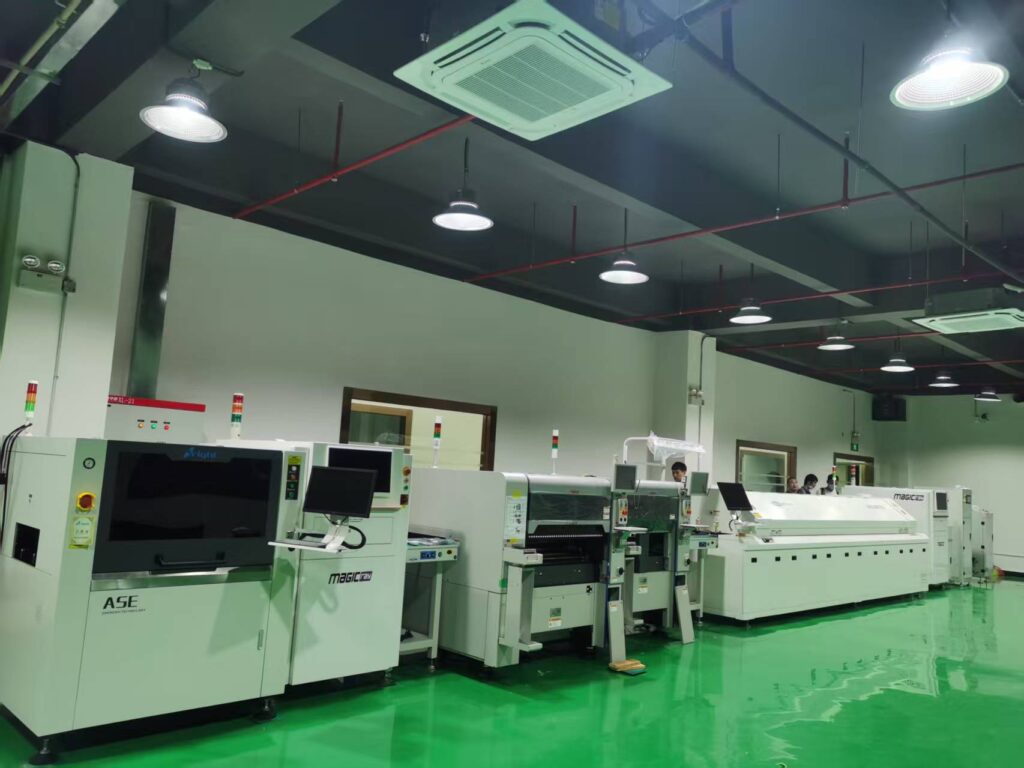
A typical turnkey SMT solution for BMS production includes the following equipment.
PCB Loader
Automatically loads PCBs into the production line while minimizing manual handling and electrostatic discharge (ESD) risks.
Automatic Solder Paste Printer
Accurate solder paste deposition ensures reliable solder joints, particularly for fine-pitch ICs and power management devices.
SPI (Solder Paste Inspection)
SPI measures:
- Paste volume
- Paste height
- Area coverage
- Position accuracy
- Printing consistency
Early detection of printing defects significantly improves first-pass yield.
High-Speed Pick and Place Machine
BMS production requires precise placement of both miniature passive components and larger power devices.
Advanced placement systems provide:
- High accuracy
- Flexible component handling
- Intelligent vision alignment
- Stable production throughput
Multi-Zone Reflow Oven
Carefully controlled thermal profiles produce reliable solder joints while protecting heat-sensitive electronic components.
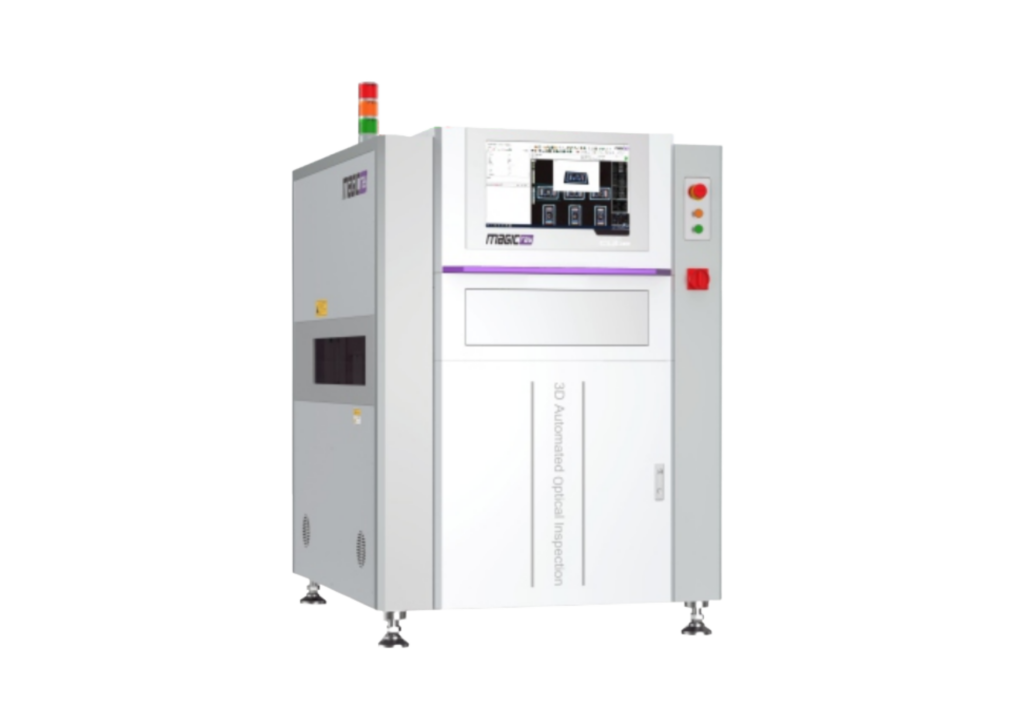
AOI (Automated Optical Inspection)
AOI automatically detects:
- Missing components
- Incorrect polarity
- Component rotation
- Solder bridges
- Tombstoning
- Lifted leads
Automated inspection minimizes assembly defects before testing.
X-Ray Inspection
Many BMS PCBs contain BGAs, QFNs, or hidden solder joints that require X-ray inspection to verify solder quality.
ICT and Functional Testing
Testing verifies:
- Electrical continuity
- Signal integrity
- Voltage measurement accuracy
- Communication interfaces
- Functional operation
Testing is essential because many assembly defects cannot be identified visually.
The Importance of PCB Cleaning for BMS
Flux residues and ionic contamination can affect sensitive analog circuits used in battery monitoring.
PCB cleaning helps:
- Improve insulation resistance
- Prevent corrosion
- Reduce leakage current
- Improve conformal coating adhesion
- Increase long-term reliability
For automotive and industrial battery systems, cleaning is often an important part of the manufacturing process.
Traceability in BMS Manufacturing
Battery manufacturers increasingly require full product traceability.
Typical traceability data includes:
- PCB serial numbers
- Component lot numbers
- Production dates
- Reflow profiles
- Inspection results
- Test records
- Operator information
Comprehensive traceability simplifies quality analysis and supports regulatory compliance.
Industry 4.0 for BMS Production
Smart manufacturing technologies improve both efficiency and product quality.
Modern BMS factories increasingly implement:
- Manufacturing Execution Systems (MES)
- Statistical Process Control (SPC)
- Real-time production monitoring
- Barcode traceability
- Automated material management
- Predictive equipment maintenance
- Digital production dashboards
These technologies enable data-driven process optimization and continuous improvement.
Best Practices for BMS PCB Assembly
Manufacturers can improve production quality by following proven best practices.
- Use high-quality solder paste.
- Maintain precise stencil printing.
- Implement SPI inspection.
- Utilize AOI and X-ray inspection.
- Optimize reflow temperature profiles.
- Perform ICT and functional testing.
- Maintain clean PCB assemblies.
- Monitor production KPIs continuously.
- Establish complete product traceability.
- Perform preventive equipment maintenance.
Consistently applying these practices helps reduce defects while improving battery system reliability.
Choosing the Right SMT Partner for BMS Manufacturing
Selecting an SMT solution provider involves more than evaluating machine specifications.
Important considerations include:
- Experience with automotive and energy electronics
- Turnkey engineering capabilities
- Factory layout planning
- Equipment integration expertise
- Advanced inspection technologies
- Technical training
- Spare parts availability
- Global after-sales support
An experienced partner can help optimize production efficiency while meeting demanding reliability standards.
Why Choose Fuliu Electronics?
Established in 2014, Fuliu Electronics is dedicated to providing customers with high-quality PCBA intelligent manufacturing solutions and comprehensive technical services.
With extensive experience in the SMT industry, Fuliu Electronics supplies complete SMT production line solutions featuring internationally recognized brands such as Fuji, Panasonic, ASM, Yamaha, JUKI, and Hanwha, together with ERSA reflow ovens, MagicRay SPI/AOI inspection systems, automatic solder paste printers, refurbished SMT equipment, SMT spare parts, equipment leasing, and maintenance services.
Serving customers across India, Vietnam, the Philippines, Indonesia, the Middle East, South Africa, and Europe, Fuliu Electronics helps battery manufacturers build high-reliability BMS production lines through customized turnkey engineering, factory planning, installation, commissioning, operator training, and long-term technical support.
Conclusion
As electric mobility and energy storage continue to expand worldwide, the quality of Battery Management Systems (BMS) has become increasingly important. A dependable PCB assembly solution for Battery Management Systems combines precision SMT equipment, intelligent inspection, comprehensive testing, PCB cleaning, and digital manufacturing technologies to produce electronics capable of operating safely for many years.
By integrating SPI, AOI, X-ray inspection, ICT/FCT testing, MES, and complete traceability into a turnkey SMT production line, manufacturers can improve first-pass yield, reduce production risks, and deliver highly reliable BMS products for electric vehicles, energy storage systems, and other demanding applications. Working with an experienced SMT solution provider ensures that every stage of production—from process design to after-sales support—contributes to long-term product quality and manufacturing efficiency.
Frequently Asked Questions
A Battery Management System is an electronic control system that monitors battery voltage, current, temperature, charging, discharging, and cell balancing to ensure battery safety and performance.
BMS circuits directly affect battery safety and performance. Manufacturing defects can lead to inaccurate measurements, charging issues, reduced battery life, or system failures.
A typical line includes a PCB loader, solder paste printer, SPI system, pick and place machines, reflow oven, AOI system, X-ray inspection, ICT/FCT testing equipment, conveyors, and PCB unloader.
Many BMS boards use BGA, QFN, and other components with hidden solder joints. X-ray inspection verifies solder quality that cannot be assessed using optical inspection alone.
In many automotive, industrial, and energy storage applications, PCB cleaning helps remove flux residues and ionic contaminants that could affect insulation resistance, corrosion resistance, and long-term reliability.
A turnkey solution integrates factory planning, equipment configuration, installation, commissioning, inspection systems, testing, and technical support into one coordinated project, reducing implementation risk and improving production efficiency.