
As electronic products become smaller, faster, and more complex, maintaining consistent PCB assembly quality has become one of the biggest challenges facing electronics manufacturers. A single soldering defect, misplaced component, or contaminated PCB can lead to product failure, expensive rework, delayed deliveries, and damaged customer trust.
Quality is no longer measured only by whether a PCB functions at the end of production. Manufacturers today focus on first-pass yield (FPY), process stability, traceability, defect prevention, and long-term product reliability.
Fortunately, improving PCB assembly quality is not about relying on one piece of equipment—it requires optimizing every stage of the SMT manufacturing process, from incoming material inspection to final functional testing.
How to Improve PCB Assembly Quality: 12 Proven Strategies for Reliable PCBA Manufacturing
In this guide, we’ll explore 12 proven strategies to improve PCB assembly quality, helping manufacturers reduce defects, increase production efficiency, and deliver reliable electronic products.
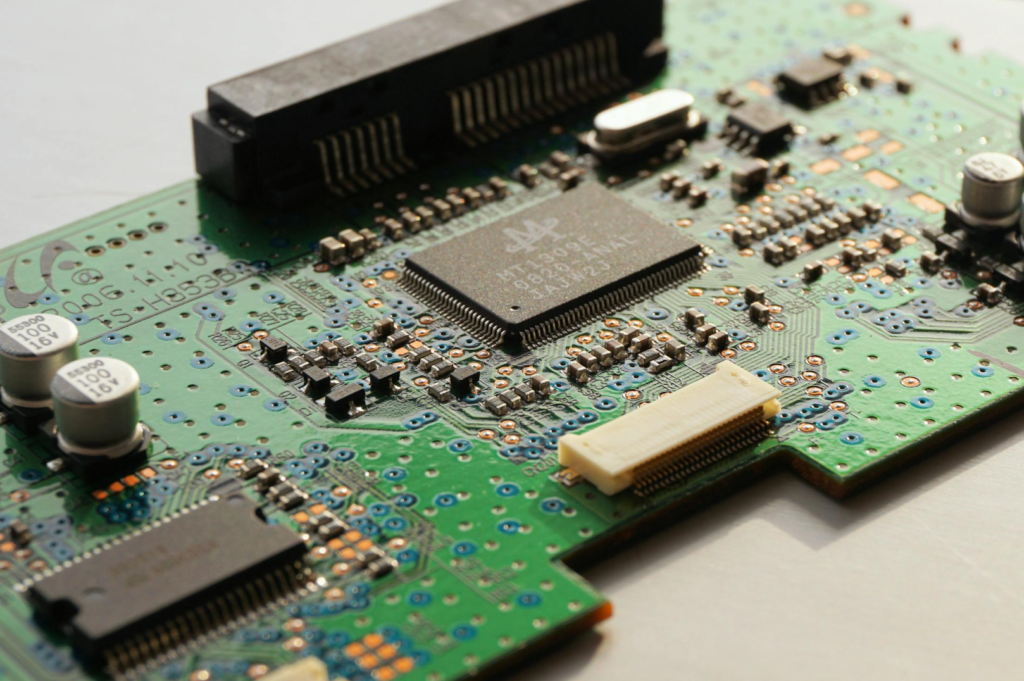
Why PCB Assembly Quality Matters
Poor assembly quality affects far more than production yield.
Common consequences include:
- Increased rework costs
- Higher scrap rates
- Customer complaints
- Warranty claims
- Product recalls
- Delivery delays
- Lower manufacturing efficiency
- Damage to brand reputation
By investing in quality improvement, manufacturers can reduce operating costs while increasing customer satisfaction and long-term profitability.
Start with High-Quality Materials
Excellent PCB assembly begins with reliable raw materials.
Before production, verify:
- PCB dimensional accuracy
- Surface finish quality
- Component authenticity
- Moisture-sensitive device (MSD) handling
- Component storage conditions
- Supplier quality certifications
Implementing Incoming Quality Control (IQC) helps prevent defects before assembly begins.
Optimize Solder Paste Printing
Industry studies consistently show that solder paste printing is responsible for a large percentage of SMT defects.
To improve printing quality:
- Use high-quality stencils
- Maintain correct stencil thickness
- Optimize squeegee pressure
- Control printing speed
- Monitor paste temperature
- Clean stencils regularly
Stable solder paste deposition creates the foundation for reliable solder joints.
Implement SPI Inspection
Solder Paste Inspection (SPI) identifies printing defects before components are placed.
SPI measures:
- Paste volume
- Paste height
- Printing position
- Area coverage
- Shape consistency
Early defect detection significantly reduces downstream failures and rework.
Use High-Precision Pick and Place Machines
Accurate component placement is critical for modern electronics.
Choose placement equipment with:
- High placement accuracy
- Stable feeder systems
- Automatic vision alignment
- Fast changeover capability
- Intelligent programming software
Modern SMT machines can consistently place miniature components with exceptional precision.
Develop Stable Reflow Profiles
Reflow soldering determines the mechanical and electrical quality of every solder joint.
A well-optimized temperature profile should provide:
- Controlled preheating
- Proper soaking
- Stable peak temperature
- Controlled cooling
Incorrect profiles may cause:
- Cold solder joints
- Voids
- Component damage
- Tombstoning
- Excessive oxidation
Regular thermal profiling ensures repeatable soldering performance.
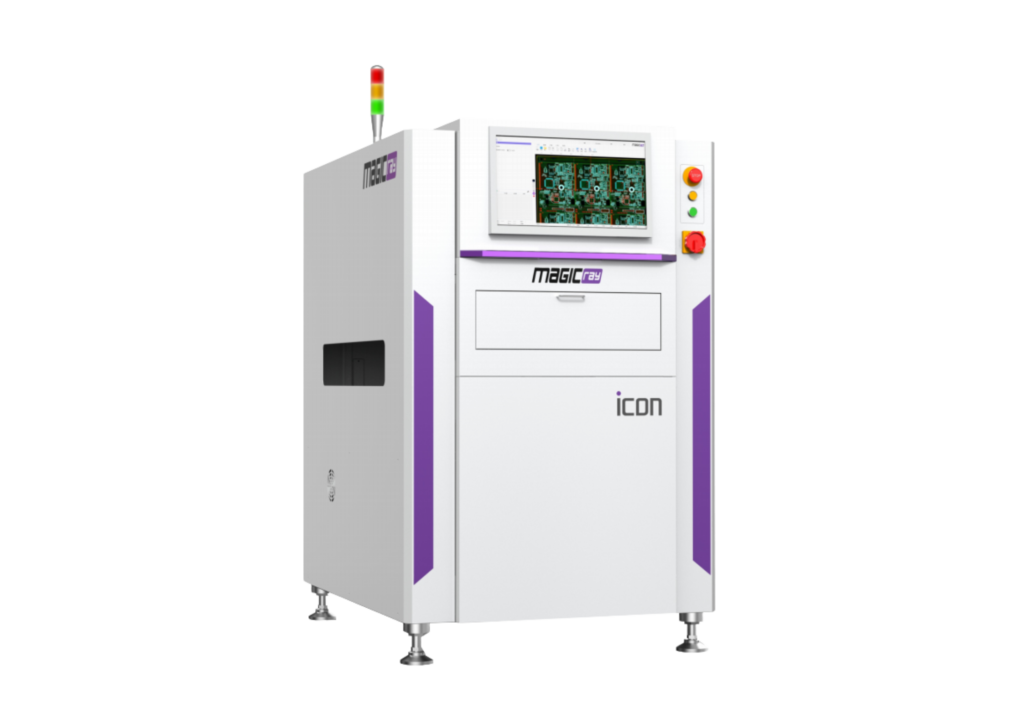
AOI has become an essential quality control process in modern SMT production.
AOI systems automatically detect:
- Missing components
- Incorrect polarity
- Component rotation
- Offset placement
- Solder bridges
- Tombstoning
- Lifted leads
By identifying defects immediately after reflow, AOI minimizes manual inspection while improving first-pass yield.
Hidden solder joints cannot be inspected visually.
For BGA, QFN, CSP, and other advanced packages, X-ray inspection detects:
- Solder voids
- Open joints
- Short circuits
- Insufficient solder
- Head-in-pillow defects
X-ray inspection is particularly important for automotive, aerospace, medical, and telecommunications products.
Maintain a Controlled Manufacturing Environment
Environmental conditions directly influence assembly quality.
Maintain:
- Temperature stability
- Relative humidity control
- Dust-free production
- Proper ventilation
- Clean compressed air
- ESD-safe work areas
Stable environmental conditions improve both soldering quality and equipment reliability.
Implement Comprehensive ESD Protection
Electrostatic discharge can silently damage sensitive electronic components.
A complete ESD program should include:
- ESD flooring
- Wrist straps
- Conductive footwear
- ESD workstations
- Ionizers
- Grounded equipment
- Continuous monitoring
- Employee training
Effective ESD protection reduces latent failures and improves long-term product reliability.
Strengthen Process Traceability
Modern PCB manufacturing requires complete production traceability
Track:
- PCB serial numbers
- Component lot numbers
- Machine programs
- Operator information
- Production dates
- Inspection records
- Reflow profiles
- Test results
Traceability supports faster root-cause analysis and simplifies quality audits.
Train Operators and Engineers Continuously
Even the most advanced SMT equipment depends on knowledgeable personnel.
Regular training should cover:
- Equipment operation
- Preventive maintenance
- IPC standards
- AOI programming
- Process optimization
- Defect analysis
- Quality awareness
A skilled workforce is one of the strongest drivers of consistent manufacturing quality.
Analyze Production Data for Continuous Improvement
Quality improvement is an ongoing process.
Monitor key performance indicators such as:
- First-Pass Yield (FPY)
- Defect rate
- Rework rate
- Machine utilization
- Downtime
- OEE (Overall Equipment Effectiveness)
- Customer return rate
Analyzing production data helps identify trends before they become costly problems.

Common PCB Assembly Defects
Understanding common defects helps manufacturers implement effective preventive measures.
Best Practices for High-Reliability PCB Assembly
Manufacturers serving automotive, aerospace, telecommunications, and medical industries should adopt additional quality measures, including:
- IPC-A-610 compliance
- ISO 9001 quality management
- Process validation
- Preventive maintenance schedules
- Regular equipment calibration
- Closed-loop process control
- Statistical Process Control (SPC)
- Supplier quality management
These practices help ensure consistent manufacturing performance and long-term product reliability.
Industry 4.0 and PCB Assembly Quality
Smart manufacturing technologies are transforming quality management.
Modern SMT factories increasingly utilize:
- MES integration
- AI-assisted defect analysis
- Real-time production monitoring
- Predictive maintenance
- Automatic process optimization
- Digital traceability
- Cloud-based reporting
These technologies enable manufacturers to identify and correct quality issues before they affect production.
Why Choose Fuliu Electronics?
Established in 2014, Fuliu Electronics specializes in providing intelligent PCBA manufacturing solutions and comprehensive technical support for electronics manufacturers worldwide.
Our complete SMT production line solutions feature globally recognized equipment brands including Fuji, Panasonic, ASM, Yamaha, JUKI, and Hanwha, combined with ERSA reflow ovens, MagicRay SPI and AOI inspection systems, automatic solder paste printers, refurbished SMT equipment, spare parts, equipment leasing, and maintenance services.
Serving customers across India, Vietnam, the Philippines, Indonesia, the Middle East, South Africa, and Europe, Fuliu Electronics delivers turnkey SMT solutions that emphasize quality improvement through optimized production processes, advanced inspection technologies, factory layout planning, installation, commissioning, operator training, preventive maintenance, and long-term technical support.
Conclusion
Improving PCB assembly quality is not the result of a single inspection machine or process adjustment—it requires a systematic approach that encompasses materials, equipment, process control, inspection, personnel, and continuous improvement. By optimizing solder paste printing, implementing advanced SPI, AOI, and X-ray inspection, maintaining a controlled manufacturing environment, and leveraging Industry 4.0 technologies, manufacturers can significantly reduce defects while increasing first-pass yield and production efficiency.
Ultimately, consistent quality is achieved when every stage of the SMT production process works together as a fully integrated system. Manufacturers who invest in robust quality management today will be better positioned to deliver reliable products, reduce operating costs, and remain competitive in the rapidly evolving electronics industry.
Frequently Asked Questions
PCB assembly quality depends on the combined performance of materials, solder paste printing, component placement, reflow soldering, inspection systems, and process control. No single factor alone determines overall quality.
SPI detects solder paste defects before component placement, preventing many soldering problems and reducing downstream rework.
AOI automatically identifies assembly defects such as missing components, polarity errors, solder bridges, and placement inaccuracies, allowing manufacturers to correct issues before products move to final testing.
Not always. X-ray inspection is primarily recommended for assemblies containing hidden solder joints, such as BGA, QFN, CSP, and other advanced semiconductor packages.
Improving solder paste printing, optimizing reflow profiles, implementing SPI and AOI, maintaining equipment, and training operators all contribute to higher first-pass yield.
Industry 4.0 technologies enable real-time monitoring, predictive maintenance, automated traceability, and data-driven process optimization, helping manufacturers achieve more stable and consistent production quality.