
As factories become smarter and industrial automation continues to accelerate, electronic control systems are playing an increasingly important role in modern manufacturing. From programmable logic controllers (PLCs) and robotics to power management systems and industrial sensors, nearly every piece of industrial equipment depends on reliable Industrial PCBA (Printed Circuit Board Assembly).
Unlike consumer electronics, industrial electronic products often operate in harsh environments where reliability, durability, and long service life are critical. This means that Industrial PCBA must meet higher manufacturing standards and undergo stricter quality control throughout the production process.
In this guide, we’ll explain what Industrial PCBA is, how it differs from consumer PCB assembly, its manufacturing process, key applications, and what manufacturers should consider when selecting an industrial PCB assembly solution.
What Is Industrial PCBA?
Industrial PCBA refers to printed circuit board assemblies designed specifically for industrial equipment and automation systems. It involves mounting electronic components onto a PCB using advanced assembly technologies such as Surface Mount Technology (SMT) and, when necessary, Through-Hole Technology (THT).
Compared with standard consumer PCB assemblies, Industrial PCBAs are engineered to deliver:
- Higher reliability
- Longer operating life
- Better thermal performance
- Stronger resistance to vibration
- Improved electrical stability
- Greater tolerance to harsh environments
These assemblies often become the “brain” of industrial machines, controlling communication, motion, sensing, and power management.
Why Is Industrial PCBA Different from Consumer PCBA?
Although both industrial and consumer products use similar PCB assembly technologies, their design priorities differ significantly.
Operating Environment
Industrial electronics are frequently exposed to:
- High temperatures
- Dust
- Humidity
- Mechanical vibration
- Electrical interference
- Continuous 24/7 operation
Consumer electronics generally operate in much more stable indoor environments.
Reliability Requirements
Consumer devices may be replaced every few years, while industrial systems often remain in service for ten years or longer.
As a result, Industrial PCBAs typically require:
- Higher-quality components
- More robust solder joints
- Enhanced testing procedures
- Better thermal management
Maintenance Considerations
Industrial equipment often needs to be serviced without replacing the entire system.
Designs therefore emphasize:
- Easy maintenance
- Component accessibility
- Long-term spare parts availability
Common Applications of Industrial PCBA
Industrial PCBAs are found in a wide range of industries.
Typical applications include:
Industrial Automation
- PLC controllers
- Servo drives
- Motion controllers
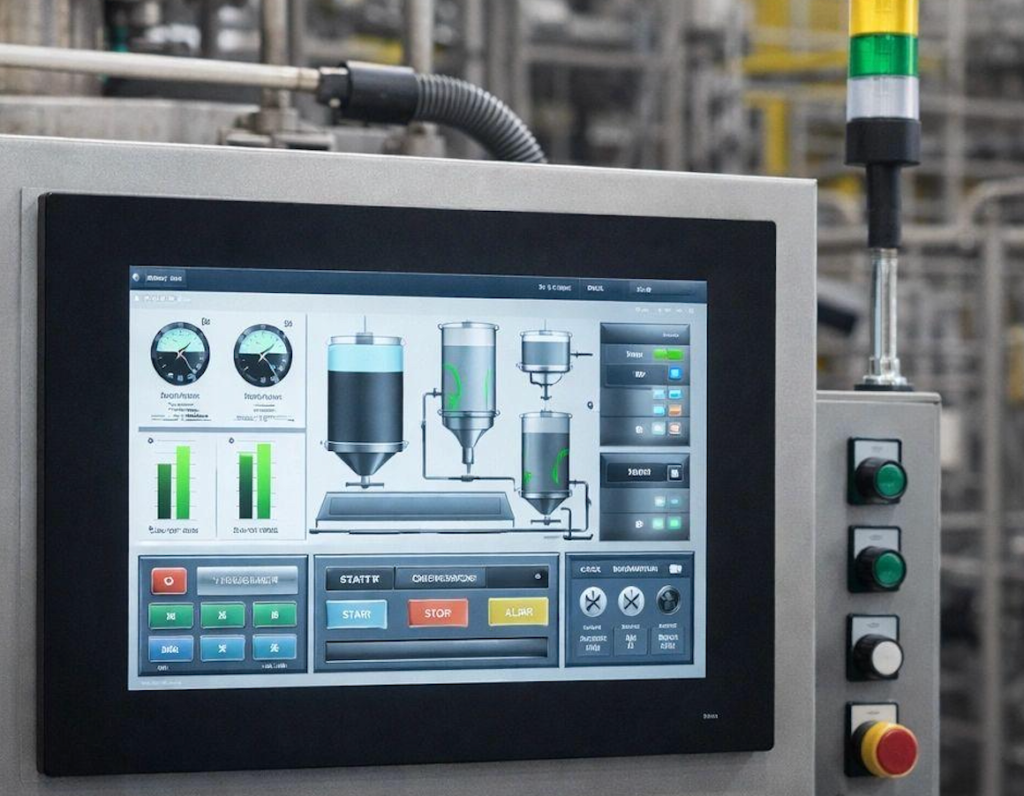
- Human-machine interfaces (HMIs)
Manufacturing Equipment
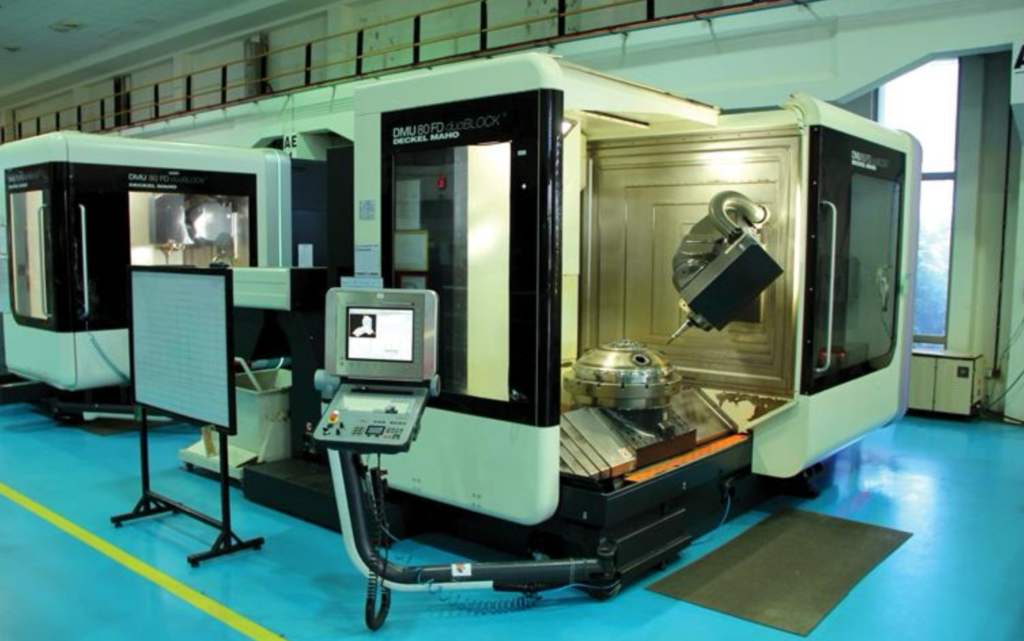
- CNC machines
- SMT production equipment
- Packaging machines
- Conveyor systems
Power and Energy
- Power supplies
- Solar inverters
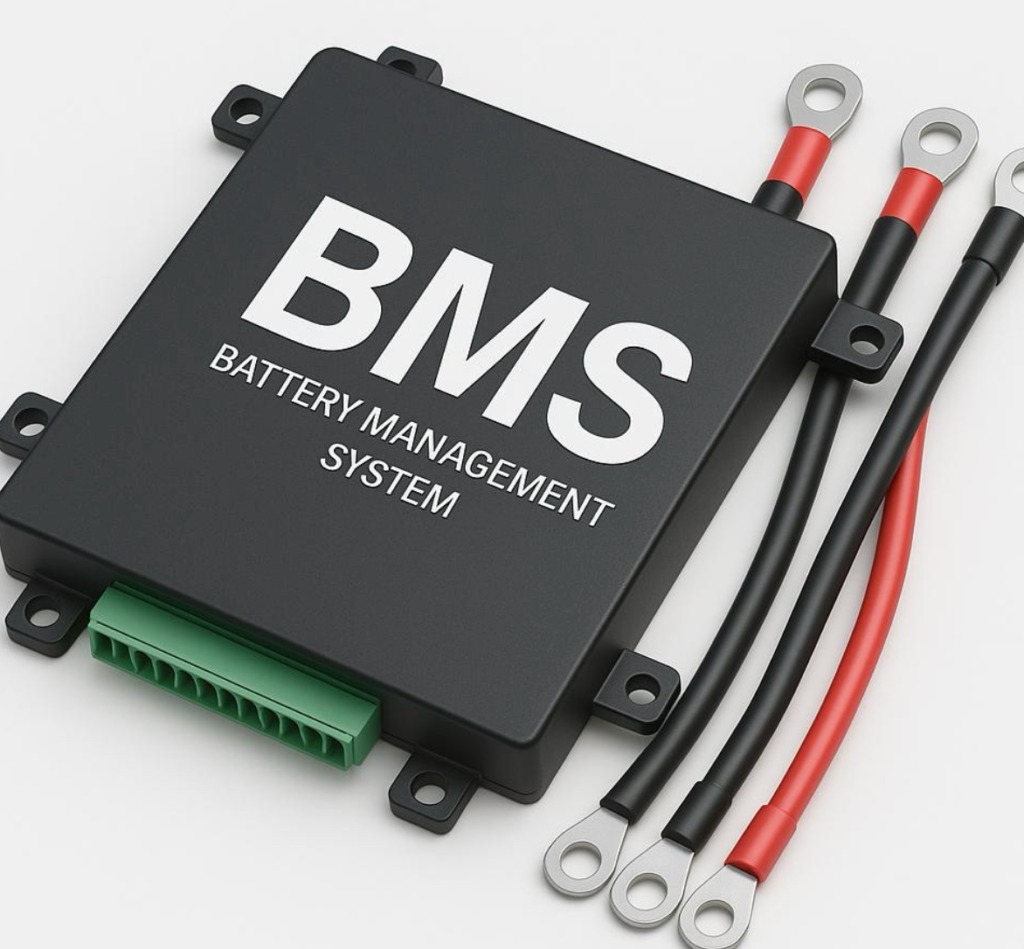
- Battery management systems
- Smart grid equipment
Robotics
- Robot controllers
- Motor drivers
- Sensor modules
- Safety systems
Industrial IoT (IIoT)
- Remote monitoring devices
- Wireless communication modules
- Data acquisition systems
- Edge computing controllers
Industrial PCBA Manufacturing Process
Although similar to general PCB assembly, Industrial PCBA places greater emphasis on process stability and quality assurance.
A typical manufacturing workflow includes:
PCB Preparation
Bare PCBs are inspected before entering production to ensure dimensional accuracy and material quality.
An automatic solder paste printer deposits solder paste precisely onto PCB pads.
Consistent printing is essential for reliable solder joints.
High-speed SMT pick and place machines accurately position electronic components according to CAD data.
Industrial products often include a combination of:
- Surface-mount devices (SMDs)
- Fine-pitch ICs
- Power management components
The PCB passes through a multi-zone reflow oven, where carefully controlled temperature profiles create durable solder joints.
Proper thermal management during this stage is particularly important for industrial applications.
Large connectors, transformers, relays, and power components may be installed using Through-Hole Technology (THT).
Wave soldering, selective soldering, or manual soldering may be used depending on product design.
Industrial PCBAs undergo comprehensive quality inspection, including:
- SPI (Solder Paste Inspection)
- AOI (Automated Optical Inspection)
- X-ray inspection (when required)
- Functional testing
- In-Circuit Testing (ICT)
These inspection processes help ensure long-term product reliability.
Key Challenges in Industrial PCBA Manufacturing
Manufacturing Industrial PCBAs requires greater process control than standard consumer products.
Common challenges include:
Thermal Management
Industrial electronics often generate significant heat during operation.
Designers must carefully consider:
- Component spacing
- Heat sinks
- Copper thickness
- Airflow
Electromagnetic Compatibility (EMC)
Industrial environments contain electrical noise that can interfere with circuit performance.
PCB layouts and shielding techniques help minimize electromagnetic interference.
Long-Term Reliability
Manufacturers must select components capable of continuous operation over many years.
Factors such as solder quality, component sourcing, and process consistency directly influence product lifespan.
How to Choose an Industrial PCBA Manufacturing Partner
Selecting the right manufacturing partner is essential for ensuring product quality and production efficiency.
Consider the following factors.
Manufacturing Experience
Choose suppliers with proven expertise in industrial electronics manufacturing.
Equipment Capability
Modern production equipment should include:
- Automatic solder paste printers
- High-speed SMT machines
- SPI systems
- AOI inspection
- Reflow ovens
- Functional testing equipment
Quality Management
Look for manufacturers that follow standardized quality control procedures and maintain consistent inspection processes.
Technical Support
Reliable engineering support helps optimize production efficiency while reducing manufacturing risks.
Why High-Quality SMT Equipment Matters
Industrial PCBAs require precise manufacturing.
Advanced SMT equipment helps manufacturers achieve:
- Higher placement accuracy
- Stable soldering quality
- Reduced defects
- Improved production efficiency
- Better process consistency
Modern SMT production lines also support traceability and intelligent manufacturing, making them ideal for industrial electronics.
Why Choose Fuliu Electronics?
Established in 2014, Fuliu Electronics is dedicated to providing customers with high-quality PCBA intelligent manufacturing solutions and comprehensive technical services.
With extensive experience in the SMT industry, Fuliu Electronics supplies complete SMT production line solutions featuring internationally recognized brands such as Fuji, Panasonic, ASM, Yamaha, JUKI, and Hanwha, together with ERSA reflow ovens, MagicRay SPI/AOI inspection systems, automatic solder paste printers, pre-owned SMT equipment, SMT spare parts, equipment leasing, and maintenance services.
Serving customers across India, Vietnam, the Philippines, Indonesia, the Middle East, South Africa, and Europe, Fuliu Electronics helps manufacturers build efficient, reliable, and scalable SMT production lines that meet the demanding quality requirements of industrial electronics manufacturing.
Conclusion
As industrial automation and smart manufacturing continue to evolve, Industrial PCBA has become the foundation of modern control systems, robotics, power electronics, and industrial communication equipment.
Compared with consumer electronics, industrial PCB assemblies demand greater reliability, longer service life, and more rigorous quality control. Achieving these standards requires not only high-quality components but also advanced SMT equipment, robust inspection technologies, and a well-controlled manufacturing process.
Whether you’re developing industrial controllers, power systems, or automation equipment, partnering with an experienced SMT solution provider can help ensure consistent production quality and long-term operational reliability.
Frequently Asked Questions
Industrial PCBA refers to printed circuit board assemblies specifically designed for industrial equipment, automation systems, and high-reliability electronic applications.
Industrial PCBAs are designed for harsher operating environments, longer product lifecycles, higher reliability, and stricter quality control compared with consumer electronics.
Industrial PCBAs are widely used in manufacturing automation, robotics, energy systems, industrial IoT, transportation, and industrial control equipment.
Yes. Most Industrial PCBAs primarily use SMT technology while incorporating THT for connectors, relays, transformers, and other high-power components.
Manufacturers typically use SPI, AOI, X-ray inspection, functional testing, and in-circuit testing (ICT) to ensure product quality.
Industrial equipment often operates continuously for many years under demanding conditions. High reliability minimizes downtime, maintenance costs, and production interruptions.