
As global demand for consumer electronics, automotive electronics, industrial control systems, and smart devices continues to grow, manufacturers are under increasing pressure to improve production efficiency while controlling costs. One of the most important investment decisions is choosing new vs used SMT equipment.
Should you invest in a brand-new SMT production line with the latest technology, or purchase a reliable used SMT machine to reduce capital expenditure? The answer depends on your production volume, budget, product complexity, and long-term business strategy.
This guide compares the advantages and disadvantages of both options to help manufacturers make informed purchasing decisions.
What Is New SMT Equipment?
New SMT equipment refers to machines purchased directly from manufacturers or authorized distributors. These systems feature the latest hardware, software, and automation technologies, making them ideal for modern electronics manufacturing.
Typical equipment includes:
- Pick and place machines
- Automatic solder paste printers
- SPI systems
- AOI inspection systems
- Reflow ovens
- Conveyor systems
A new SMT machine generally offers:
- Manufacturer warranty
- Latest software updates
- Higher placement speed
- Better precision
- Improved energy efficiency
- Longer service life
For manufacturers planning long-term expansion, investing in new SMT manufacturing equipment can provide greater operational stability and higher productivity.
What Is Used SMT Equipment?
Used SMT equipment includes pre-owned or refurbished machines that have been inspected, repaired, calibrated, and tested before resale.
High-quality refurbished equipment can still deliver excellent production performance at a significantly lower purchase price.
Popular brands available in the secondary market include:
- Fuji
- Panasonic
- ASM
- Yamaha
- JUKI
- Hanwha
Many manufacturers searching for used SMT equipment worth buying choose refurbished machines because they combine affordability with reliable production capabilities.
Advantages of Buying New SMT Equipment
Latest Technology
Modern SMT equipment incorporates advanced vision systems, intelligent feeders, AI-assisted optimization, and faster placement speeds.
These features improve throughput while reducing production defects.
Higher Productivity
A new SMT production line typically achieves:
- Faster placement rates
- Reduced setup time
- Improved machine communication
- Higher Overall Equipment Effectiveness (OEE)
Lower Maintenance Requirements
Since all major components are brand new, maintenance costs remain relatively low during the early years of operation.
Manufacturers also receive scheduled maintenance support from equipment suppliers.
Full Warranty and Technical Support
New machines usually include:
- Factory warranty
- Technical training
- Software upgrades
- Spare parts availability
- Remote technical support
This minimizes unexpected downtime.
Better Long-Term Investment
Although the initial SMT machine cost is higher, new equipment generally offers:
- Longer lifespan
- Higher resale value
- Better production stability
- Easier future upgrades
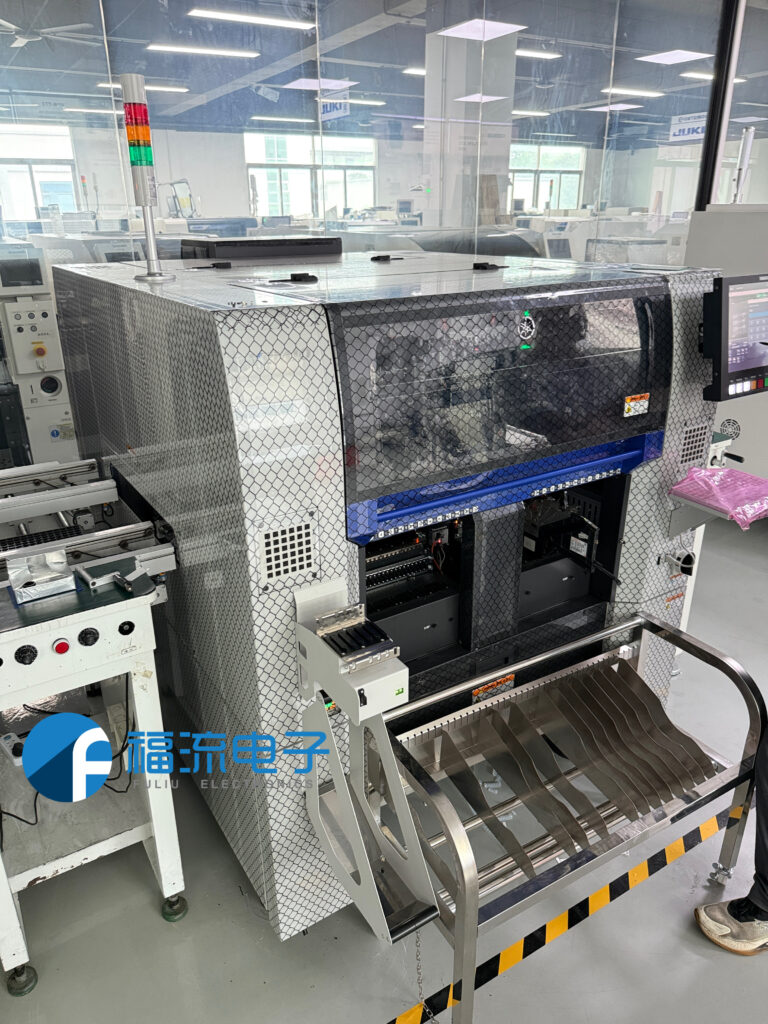
Advantages of Buying Used SMT Equipment
For many companies, purchasing a used SMT machine is a practical and cost-effective solution.
Lower Initial Investment
One of the biggest advantages is affordability.
Compared with new equipment, refurbished SMT machines often cost 30–70% less, making them ideal for companies with limited budgets.
Faster Return on Investment
Lower purchase costs enable manufacturers to achieve ROI more quickly.
This is especially valuable for:
- Startups
- Small EMS companies
- Contract manufacturers
- Prototype production facilities
- Shorter Delivery Time
Unlike new equipment that may require several months of manufacturing and shipping, used SMT equipment is often available immediately.
Proven Performance
Well-maintained machines from leading brands continue to provide stable placement accuracy even after years of service.
When purchased from a reputable SMT equipment supplier, refurbished machines can deliver dependable performance for many years.
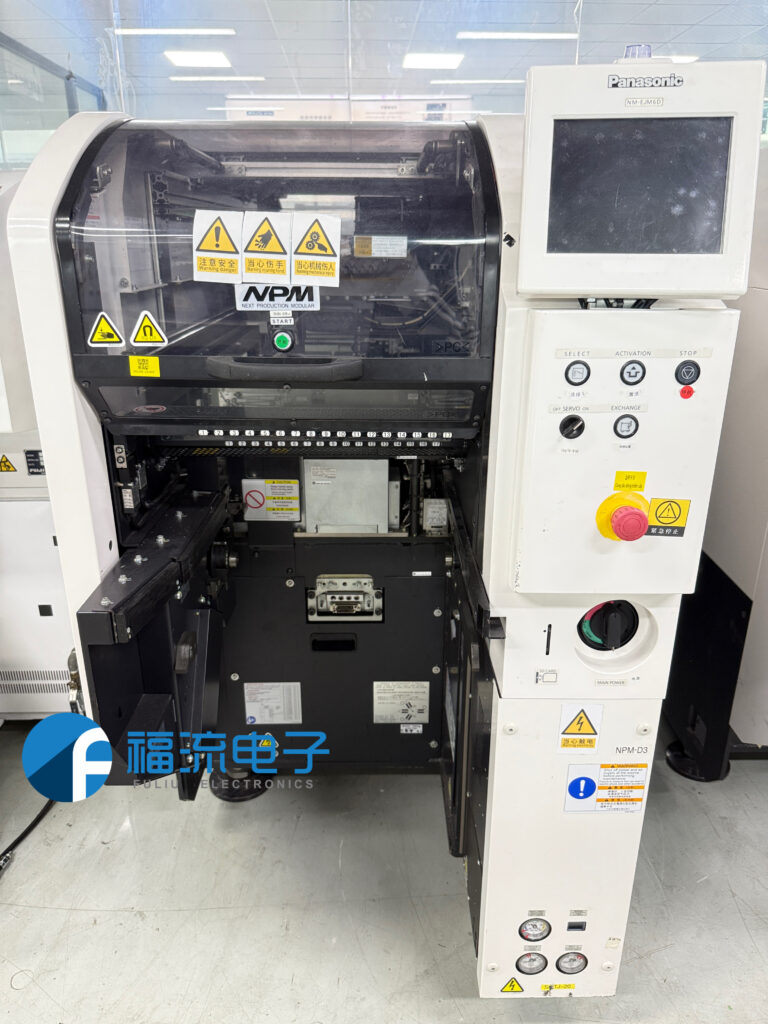
Potential Drawbacks of New SMT Equipment
Despite its advantages, new equipment is not always the best solution.
Common disadvantages include:
- Higher capital investment
- Longer lead times
- Higher depreciation during the first few years
- Increased financing requirements
For manufacturers with uncertain production demand, these factors should be carefully evaluated.
Potential Drawbacks of Used SMT Equipment
Although refurbished equipment offers attractive savings, buyers should also consider potential risks.
Higher Maintenance Requirements
Older machines may require more frequent preventive maintenance.
Limited Warranty
Warranty coverage is generally shorter than that of new equipment.
Spare Parts Availability
Some discontinued machine models may have limited spare parts support.
Older Software
Certain legacy systems may not support the newest manufacturing software or Industry 4.0 integration.
Choosing an experienced supplier can significantly reduce these risks.
How to Choose the Right SMT Equipment for Your Factory
If you’re asking “Should I buy new or used SMT equipment?”, consider the following questions:
Choose New SMT Equipment If:
- You plan long-term production expansion.
- Your products require the highest placement accuracy.
- You manufacture automotive or medical electronics.
- Industry 4.0 integration is a priority.
Choose Used SMT Equipment If:
- You have a limited investment budget.
- You need equipment quickly.
- You are starting a new SMT factory.
- Your production volume is moderate.
- You want faster ROI.
There is no universal answer—the best solution depends on your production goals and business strategy.
Why Choosing the Right SMT Equipment Supplier Matters
Whether purchasing new or refurbished equipment, selecting a reliable supplier is just as important as selecting the machines themselves.
A professional supplier should provide:
- Equipment inspection and testing
- Installation support
- Operator training
- Preventive maintenance
- Spare parts supply
- Technical consulting
- After-sales service
Established in 2014, Fuliu Electronics specializes in providing high-quality PCBA intelligent manufacturing solutions and comprehensive services for electronics manufacturers worldwide.
With extensive experience in the SMT industry, Fuliu Electronics supplies dependable SMT production line solutions featuring internationally recognized brands including Fuji, Panasonic, ASM, Yamaha, JUKI, and Hanwha, as well as ERSA reflow ovens, MagicRay SPI/AOI inspection systems, automatic solder paste printers, SMT spare parts, machine leasing, maintenance services, and carefully inspected pre-owned SMT equipment.
As part of its global expansion strategy, Fuliu Electronics serves customers across India, Vietnam, the Philippines, Indonesia, the Middle East, South Africa, and Europe, helping manufacturers optimize production efficiency while reducing investment risks.
Conclusion
Choosing between new vs used SMT equipment ultimately depends on your production requirements, available budget, expected return on investment, and long-term growth plans.
New SMT equipment offers cutting-edge technology, maximum productivity, and long service life, while used SMT machines provide excellent value, faster deployment, and lower initial investment.
Before making a purchasing decision, evaluate your production objectives, compare the total cost of ownership, and work with an experienced SMT equipment supplier that can provide professional guidance and reliable after-sales support.
Whether you are building a new SMT production line or upgrading an existing facility, selecting the right equipment today can significantly improve manufacturing efficiency and competitiveness for years to come.
Frequently Asked Questions
Should I buy new or used SMT equipment?
If you require the latest technology and long-term reliability, new equipment is ideal. If budget and fast ROI are priorities, refurbished equipment is often an excellent choice.
Is used SMT equipment worth buying?
Yes. High-quality refurbished SMT machines from reputable suppliers can provide reliable performance at a much lower investment cost.
The total cost varies depending on machine configuration, production capacity, automation level, and whether equipment is new or refurbished.
What should I check before purchasing used SMT equipment?
Inspect machine condition, maintenance records, calibration reports, software version, spare parts availability, and supplier support.
Which SMT machine brands are the most reliable?
Leading brands include Fuji, Panasonic, ASM, Yamaha, JUKI, and Hanwha, all of which are widely recognized for performance and reliability.
Why is after-sales service important?
Professional installation, technical training, preventive maintenance, and spare parts support help maximize machine uptime and extend equipment life.