
In modern electronics manufacturing, SMT (Surface Mount Technology) plays a critical role in PCB assembly production. As electronic products become smaller, faster, and more complex, maintaining high PCB assembly quality has become increasingly important.
However, SMT defects remain one of the biggest challenges in PCB manufacturing. Even small soldering or placement problems can lead to product failures, production downtime, customer complaints, and expensive rework costs.
For electronics manufacturers, factory managers, procurement teams, and engineers, understanding common SMT defects and solutions is essential for improving production yield and reducing manufacturing risk.
Today’s advanced SMT production lines use technologies such as SPI inspection, AOI inspection, intelligent process control, and optimized reflow soldering to reduce defects and improve overall manufacturing quality.
In this guide, we will explain the most common SMT defects, their causes, and practical solutions for improving PCB assembly performance.
What Are SMT Defects?
SMT defects are manufacturing problems that occur during PCB assembly processes such as solder paste printing, component placement, and reflow soldering.
These defects may affect:
- electrical performance
- solder joint reliability
- product lifespan
- production efficiency
SMT defects can occur due to:
- machine calibration errors
- poor solder paste quality
- incorrect reflow settings
- improper PCB design
- component handling issues
Preventing SMT defects is critical because defective PCBs increase:
- repair costs
- material waste
- production delays
- customer dissatisfaction
Modern SMT factories focus heavily on defect prevention rather than post-production repair.
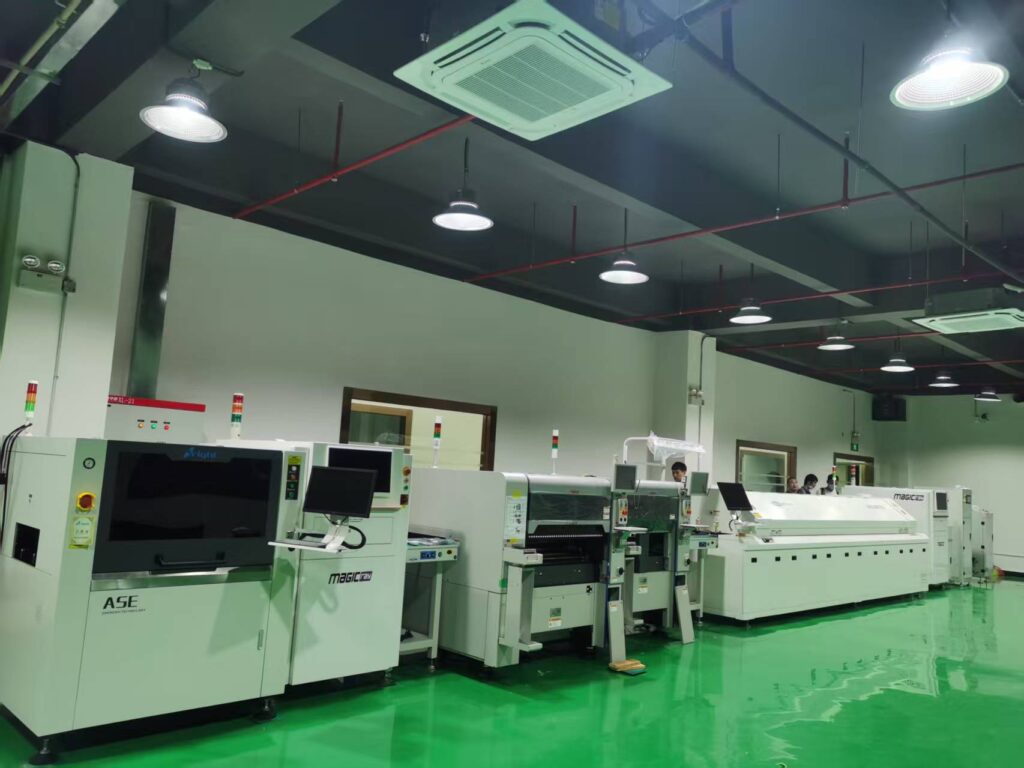
Most Common SMT Defects in PCB Assembly
Tombstoning
What It Looks Like
One side of a chip component lifts upward during reflow soldering.
Common Causes
- uneven solder melting
- incorrect pad design
- excessive temperature differences
Production Impact
- open circuit failure
- unstable electrical connection
Recommended Solutions
- optimize reflow profile
- improve stencil design
- balance solder paste volume
Solder Bridging
What It Looks Like
Adjacent solder joints connect together unintentionally.
Common Causes
- excessive solder paste
- stencil opening issues
- component misalignment
Production Impact
- short circuits
- product failure
Recommended Solutions
- reduce solder paste volume
- optimize stencil thickness
- improve placement accuracy
Insufficient Solder
What It Looks Like
Incomplete solder joints with poor wetting.
Common Causes
- low solder paste volume
- poor stencil printing
- contamination
Production Impact
- weak solder joints
- reliability problems
Recommended Solutions
- inspect solder paste printing
- maintain stencil cleanliness
- optimize SPI inspection
Solder Balls
What It Looks Like
Small solder particles scattered around solder joints.
Common Causes
- excessive heating
- poor solder paste quality
- moisture contamination
Production Impact
- electrical shorts
- cosmetic defects
Recommended Solutions
- optimize reflow temperature
- control humidity
- use high-quality solder paste
Component Misalignment
What It Looks Like
Components placed incorrectly on PCB pads.
Common Causes
- placement calibration issues
- feeder problems
- unstable PCB transport
Production Impact
- soldering failure
- electrical malfunction
Recommended Solutions
- calibrate pick and place machines
- inspect feeder systems
- improve conveyor stability
Missing Components
Common Causes
- feeder jams
- nozzle vacuum failure
- programming errors
Recommended Solutions
- inspect feeder condition
- maintain placement heads
- add AOI inspection
Polarity Errors
Common Causes
- incorrect programming
- operator mistakes
Recommended Solutions
- verify component orientation
- use AOI inspection systems
Cold Solder Joints
What It Looks Like
Dull or weak solder connections.
Common Causes
- insufficient heating
- unstable thermal profile
Production Impact
intermittent product failure
Recommended Solutions
- optimize reflow profile
- improve thermal consistency
Lifted Leads
Common Causes
- improper solder wetting
- excessive stress during placement
Recommended Solutions
- adjust placement pressure
- optimize solder paste printing
PCB Warpage
Common Causes
- excessive heat
- uneven thermal expansion
Recommended Solutions
- improve PCB support
- optimize oven settings
Voiding
What It Looks Like
Air pockets trapped inside solder joints.
Common Causes
- poor solder paste formulation
- improper reflow atmosphere
Recommended Solutions
- optimize nitrogen protection
- improve solder paste quality
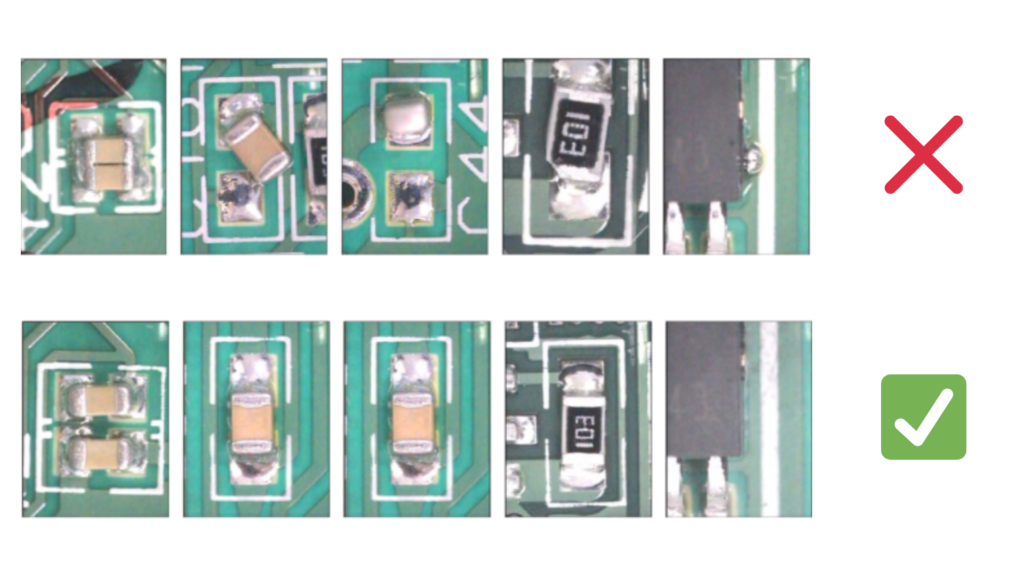
Common Causes of SMT Defects
Solder Paste Printing Issues
Poor solder paste printing is one of the leading causes of SMT defects.
Problems include:
- inconsistent paste volume
- stencil contamination
- poor alignment
Stencil Problems
Incorrect stencil thickness or damaged apertures can affect solder quality.
Poor PCB Design
Improper pad layout may increase soldering defects.
Incorrect Reflow Profile
Unstable temperature profiles often cause:
- tombstoning
- solder balls
- cold joints
Component Quality Issues
Low-quality components may create placement and soldering problems.
Feeder and Placement Errors
Improper feeder calibration reduces placement accuracy.
Improper Storage Conditions
Moisture-sensitive components require controlled storage environments.
Operator Mistakes
Insufficient training can increase setup and programming errors.
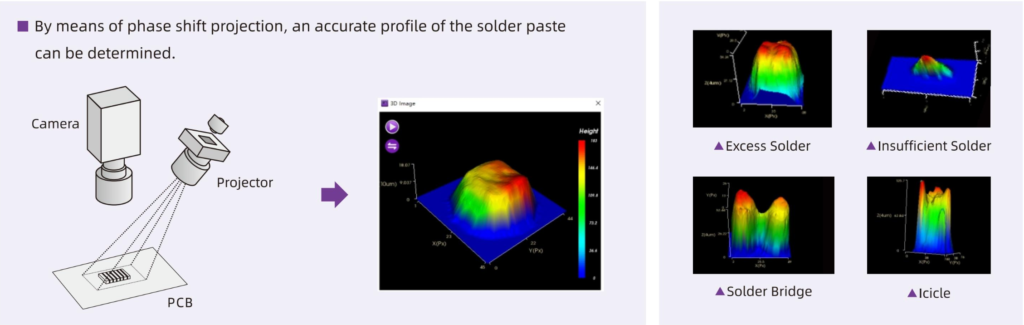
How SPI Helps Reduce SMT Defects
SPI (Solder Paste Inspection) systems inspect solder paste immediately after printing.
SPI systems check:
- solder paste volume
- height
- alignment
- area consistency
By identifying problems before component placement, SPI greatly reduces downstream production defects.
Benefits include:
- improved first-pass yield
- reduced rework cost
- stable solder paste quality
- improved production consistency
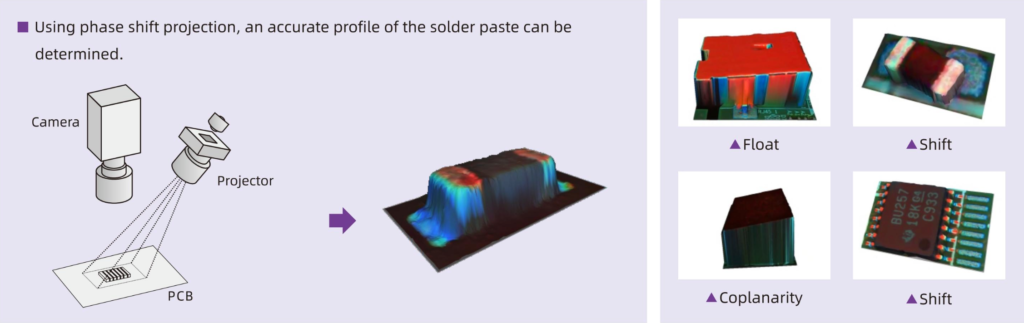
How AOI Improves PCB Assembly Quality
AOI (Automatic Optical Inspection) systems inspect PCB assemblies after reflow soldering.
AOI systems can detect:
- missing components
- polarity errors
- solder bridges
- lifted leads
- insufficient solder
Inline AOI systems provide real-time inspection during production, while offline AOI systems offer flexible inspection capability for smaller factories.
AOI inspection significantly improves:
- PCB assembly quality
- defect detection speed
- production traceability
Reflow Soldering and Defect Prevention
Reflow soldering is one of the most critical SMT processes.
Key process factors include:
Temperature Profile Control
Stable heating prevents thermal defects.
Heating Zones
Multi-zone ovens provide controlled heating stages.
Conveyor Speed
Incorrect speed affects solder melting consistency.
Nitrogen Protection
Nitrogen reduces oxidation during soldering.
Thermal Consistency
Uniform heating improves solder joint reliability.
Best Practices to Reduce SMT Defects
Manufacturers can improve PCB assembly quality by:
- regularly calibrating SMT machines
- optimizing stencil design
- maintaining proper solder paste storage
- performing preventive maintenance
- training operators continuously
- controlling factory temperature and humidity
- integrating SPI and AOI inspection systems
Real-World Application Scenarios
Consumer Electronics PCB Assembly
Requires:
- high-speed placement
- miniature component handling
- advanced AOI inspection
Automotive Electronics Manufacturing
Requires:
- strict defect control
- high solder reliability
- advanced traceability
LED PCB Production
Requires:
- stable thermal control
- large PCB handling capability
- Industrial Control PCB Assembly
Why Quality Control Matters in SMT Manufacturing
Strong SMT quality control improves:
- production yield
- customer satisfaction
- manufacturing efficiency
- product reliability
- factory competitiveness
Reducing SMT defects also lowers:
- repair costs
- material waste
- production downtime
About FULIU Electronics
FULIU Electronics is a professional provider of SMT and PCBA production line solutions for global electronics manufacturers.
We provide:
- turnkey SMT production line solutions
- SMT inspection systems
- SPI and AOI solutions
- reflow soldering equipment
- factory layout support
- installation and training
- global delivery and technical support
Our team helps manufacturers improve PCB assembly quality, reduce SMT production defects, and build efficient SMT factories for long-term manufacturing success.
Conclusion
SMT defects are one of the biggest challenges in PCB assembly manufacturing. Identifying defect causes and implementing proper solutions is essential for improving production efficiency and product reliability.
Modern SMT production requires:
- advanced inspection systems
- stable SMT equipment
- optimized process control
- experienced technical support
By combining SPI inspection, AOI systems, optimized reflow soldering, and preventive maintenance, manufacturers can significantly reduce production defects and improve overall PCB assembly quality.
Working with a professional SMT solution provider can help factories achieve stable, efficient, and reliable SMT manufacturing operations.
Contact FULIU Electronics today to improve your SMT production quality and reduce PCB assembly defects.