
Modern consumer electronics manufacturing requires highly efficient SMT production lines capable of handling miniaturized and high-density PCB assembly. The consumer electronics industry continues to grow rapidly, driven by demand for smartphones, wearable devices, smart home products, tablets, gaming devices, wireless communication products, and portable electronics.
As electronic products become smaller, smarter, and more multifunctional, manufacturers face increasing pressure to improve PCB assembly quality, production efficiency, and cost control.
For electronics manufacturers, overseas factory investors, procurement managers, and engineers, selecting the right PCB assembly solution is essential for achieving stable production, reducing defects, and maintaining competitiveness in the global market.
Modern consumer electronics production requires:
- high-speed SMT production
- high-density PCB assembly
- precise temperature control
- advanced inspection systems
- flexible manufacturing capability
In this guide, we will explain how consumer electronics PCB assembly works, what equipment is required, and how to build an efficient SMT production solution for modern electronics manufacturing.
What is Consumer Electronics PCB Assembly?
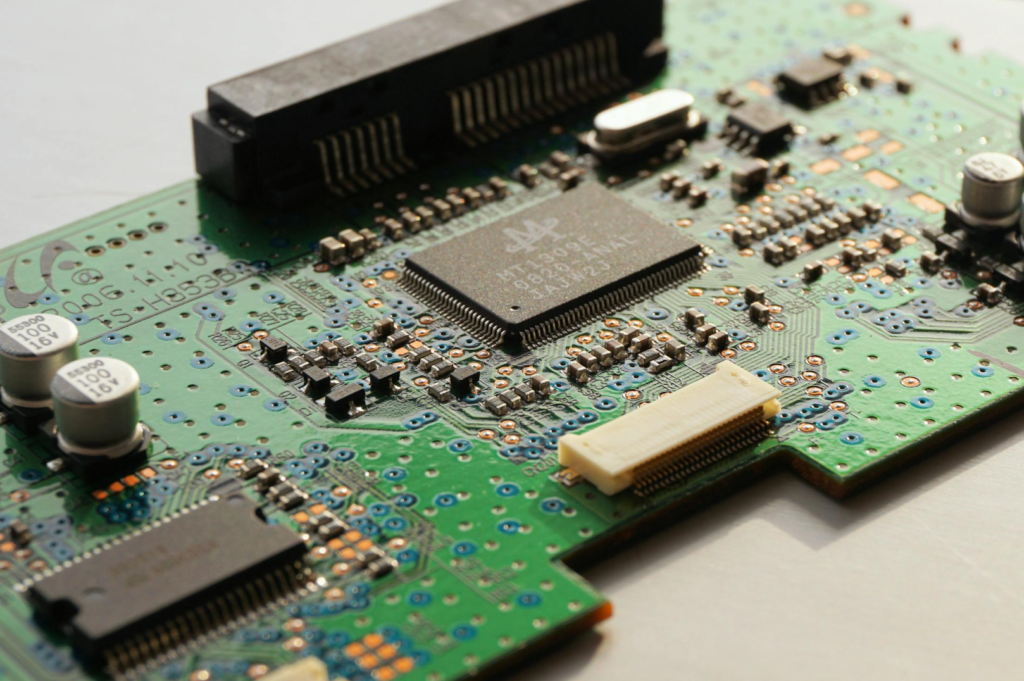
Consumer electronics PCB assembly refers to the process of mounting electronic components onto printed circuit boards (PCBs) used in consumer products.
Typical products include:
- smartphones
- tablets
- smart watches
- Bluetooth devices
- smart home systems
- gaming products
- wireless communication devices
- wearable electronics
These products often require:
- compact PCB design
- fine-pitch components
- high-speed production
- reliable soldering quality
Why PCB Assembly Solutions Matter in Consumer Electronics
High Product Complexity
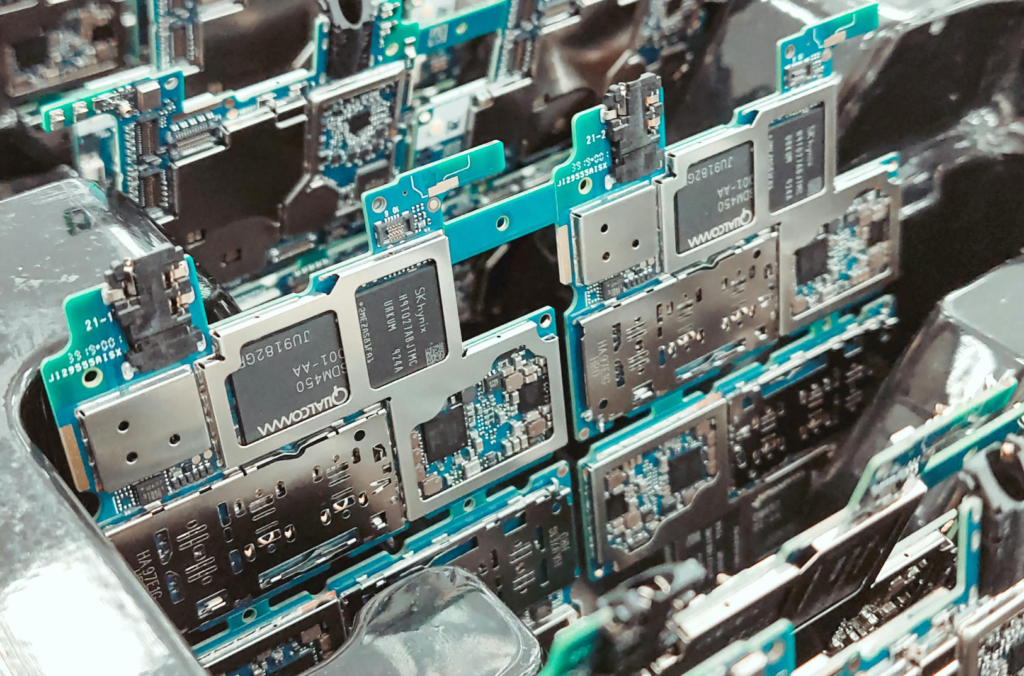
Modern consumer devices contain highly integrated electronic circuits and miniature components.
Short Product Life Cycle
Manufacturers must quickly launch new products and adapt production lines.
High Production Volume
Consumer electronics typically require large-scale manufacturing.
Strict Quality Requirements
Even minor PCB defects can lead to product failure and customer complaints.
Cost Competition
Manufacturers must optimize efficiency while controlling production costs.
Complete SMT Production Process for Consumer Electronics
Step 1: PCB Loading
Automatic loaders transfer PCBs into the SMT production line.
Benefits
- reduces manual handling
- improves automation efficiency
Step 2: Solder Paste Printing
A solder paste printer applies solder paste onto PCB pads.
Key Requirements
- high precision
- stable alignment
- fine-pitch printing capability
Accurate solder paste printing is critical for product quality.
Step 3: SPI (Solder Paste Inspection)
SPI systems inspect solder paste quality before component placement.
Checks Include
- solder paste volume
- alignment
- height
- shape consistency
SPI helps prevent defects at the earliest stage.
Step 4: Pick and Place Process
Pick and place machines mount electronic components onto the PCB.
Requirements for Consumer Electronics
- high placement speed
- high precision
- support for miniature components such as 0201 and 01005
Modern SMT machines can place tens of thousands of components per hour.
Step 5: Reflow Soldering
The PCB passes through a reflow oven where solder paste melts and forms solder joints.
Why Reflow Quality Matters
Consumer electronics use heat-sensitive and fine-pitch components.
Stable thermal control is essential for:
- solder quality
- component reliability
- product lifespan
Key Features of Modern Reflow Ovens
- multi-zone heating system
- precise temperature profiling
- stable conveyor control
- optimized airflow design
- energy-efficient operation
Step 6: AOI (Automatic Optical Inspection)
AOI systems inspect solder joints and component placement after reflow.
Detectable Defects
- missing components
- solder bridges
- polarity errors
- tombstoning
- insufficient solder
AOI significantly improves product quality and production consistency.
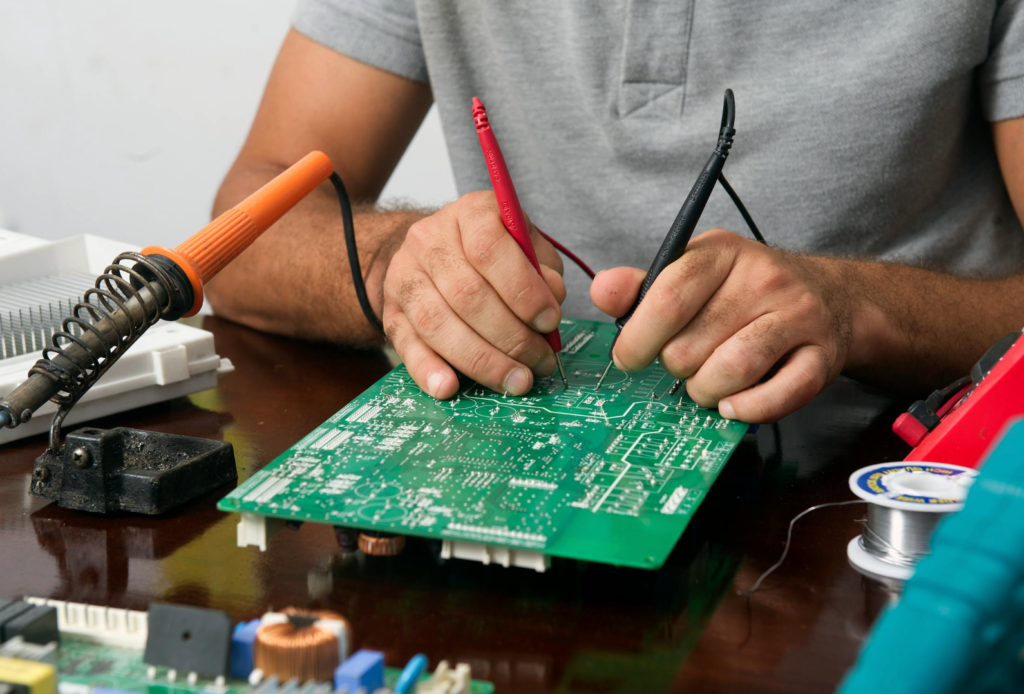
Step 7: Functional Testing
Finished PCB assemblies undergo electrical testing to ensure proper operation.
Step 8: Unloading and Final Assembly
Finished PCBs move to final product assembly and packaging.
SMT Equipment Required for Consumer Electronics Manufacturing
Essential Equipment List
SMT Loader
Automatically feeds PCBs into the production line.
Solder Paste Printer
Ensures accurate solder paste application.
SPI System
Improves printing quality control.
Pick and Place Machine
Provides high-speed component placement.
Reflow Oven
Ensures stable soldering quality.
AOI System
Performs automated inspection.
Conveyor and Unloader
Supports efficient automation flow.
Key Challenges in Consumer Electronics PCB Assembly
Miniaturized Components
Small components require extremely precise placement.
High-Density PCB Layout
Complex boards increase production difficulty.
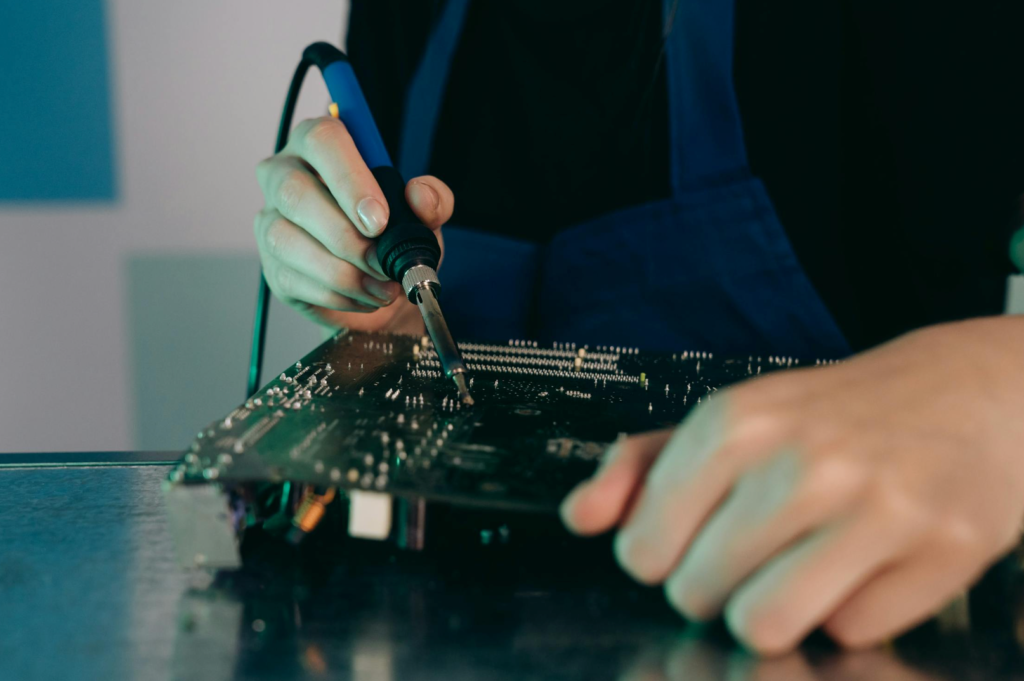
Thermal Sensitivity
Improper reflow profiles may damage components.
Fast Production Requirements
Factories must balance speed and quality.
Frequent Product Changes
Flexible production capability is essential.
How to Choose the Right SMT Production Solution
Evaluate Production Volume
High-Volume Manufacturing
Requires
- high-speed pick and place machines
- inline inspection systems
- automated production flow
Consider Product Complexity
Complex products require:
- advanced AOI systems
- precise reflow control
- SPI inspection
Focus on Equipment Stability
Stable equipment reduces downtime and improves productivity.
Plan for Future Expansion
Choose scalable SMT production solutions.
Work with Experienced Suppliers
Professional suppliers help optimize equipment selection and factory layout.
Inline vs Semi-Automatic Production Lines
Feature Fully Automatic SMT Line Semi-Automatic SMT Line
Production Speed High Medium
Labor Requirement Low Higher
Automation Level High Medium
Initial Investment Higher Lower
Best For Mass Production Small Batch Production
Cost Considerations
Consumer electronics SMT production line cost depends on:
- production capacity
- automation level
- inspection systems
- equipment brand
- PCB complexity
Typical investment range:
Factory Scale Estimated Cost
Small Factory $80,000 – $200,000
Medium Factory $200,000 – $500,000
Large Factory $500,000+
Common Mistakes When Building a Consumer Electronics SMT Line
Choosing Equipment Based Only on Price
Low-cost equipment may reduce long-term reliability.
Ignoring Inspection Systems
Skipping SPI or AOI often increases defect rates.
Poor Factory Layout Planning
Inefficient layout reduces production efficiency.
Underestimating Future Production Growth
Expansion capability should be considered early.
Practical Tips for Better SMT Production
- optimize reflow temperature profiles
- combine SPI and AOI inspection
- regularly maintain equipment
- train operators properly
- monitor production data continuously
- work with experienced SMT solution providers

Real-World Application Scenarios
Smartphone Manufacturing
Requires ultra-high-speed SMT production and miniaturized component handling.
Smart Home Products
Requires flexible PCB assembly capability.
Wearable Electronics
Needs high-density PCB assembly and precise thermal control.
Wireless Communication Devices
Requires stable RF PCB assembly quality.

Why Turnkey SMT Solutions Matter
Working with a professional SMT solution provider helps manufacturers:
- reduce setup risks
- improve production efficiency
- optimize equipment compatibility
- shorten factory setup time
- reduce long-term operating costs
Turnkey SMT solutions are especially valuable for overseas factory projects and new manufacturing facilities.
Conclusion
Consumer electronics PCB assembly requires highly efficient, precise, and stable SMT production solutions.
As electronic products continue to become smaller and more advanced, manufacturers must invest in reliable equipment, intelligent inspection systems, and optimized production processes.
Choosing the right SMT production line can significantly improve product quality, production efficiency, and long-term profitability.
About FULIU Electronics
FULIU Electronics is a professional provider of SMT and PCBA production line solutions for global customers.
We offer:
- turnkey SMT production line solutions
- SMT equipment supply
- factory layout planning
- installation and training support
- global delivery and after-sales service
With extensive experience in consumer electronics manufacturing solutions, we help customers build efficient, reliable, and scalable SMT production lines for modern PCB assembly.
Contact us today to get a customized PCB assembly solution for your factory.