
The SMT pick and place machine is the heart of every Surface Mount Technology (SMT) production line. Responsible for accurately placing electronic components onto printed circuit boards (PCBs), it directly affects production speed, product quality, and manufacturing efficiency.
However, with a wide range of machine brands, configurations, and price points available, selecting the right equipment can be challenging. A machine that performs well for a high-volume automotive manufacturer may not be suitable for a startup EMS company or a factory producing high-mix, low-volume products.
In this guide, we’ll explain how to choose an SMT pick and place machine, the key factors to evaluate, and how working with an experienced SMT equipment supplier can help maximize your return on investment.
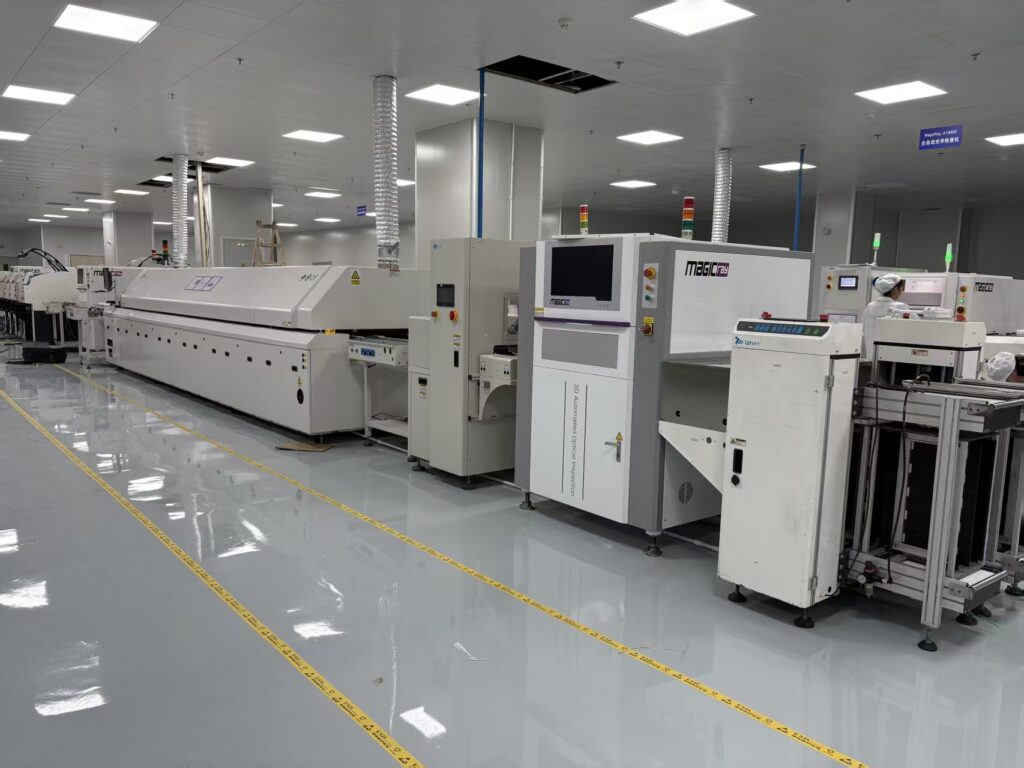
What Is an SMT Pick and Place Machine?
An SMT pick and place machine is an automated system that picks electronic components from feeders and accurately places them onto PCBs according to CAD data before the soldering process.
It is one of the core pieces of equipment in a complete SMT production line, working alongside:
- Automatic solder paste printers
- SPI systems
- AOI inspection systems
- Reflow ovens
- PCB conveyors
Modern machines can place tens of thousands of components per hour with extremely high precision, making them indispensable in electronics manufacturing.
Why Choosing the Right SMT Machine Matters
Selecting the wrong machine can lead to:
- Lower production efficiency
- Higher operating costs
- Frequent downtime
- Reduced placement accuracy
- Limited production capacity
- Difficulty expanding future production
Choosing the right pick and place machine helps manufacturers improve productivity while reducing long-term manufacturing costs.
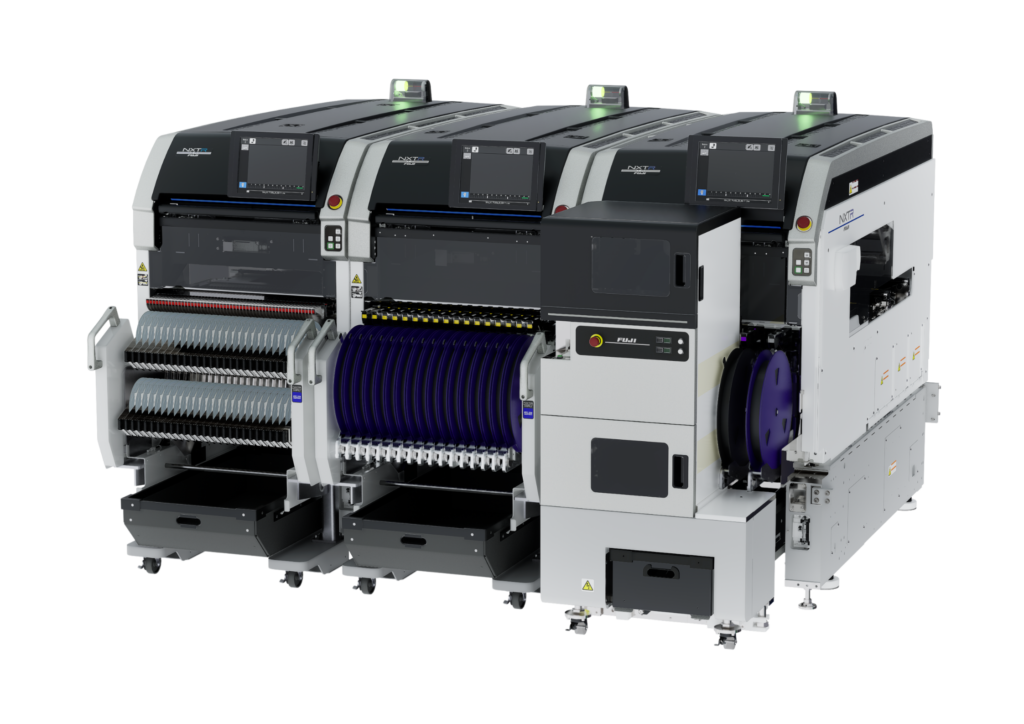
Key Factors to Consider When Choosing an SMT Pick and Place Machine
Production Volume
The first question to ask is:
How many PCBs will your factory produce each day?
Production volume largely determines the type of SMT machine you need.
For example:
Low-volume prototype production
Medium-volume contract manufacturing
High-volume consumer electronics
Automotive electronics production
High-volume factories generally benefit from high-speed pick and place machines, while smaller manufacturers may prioritize flexibility over maximum speed.
PCB Complexity
Not all circuit boards are created equal.
Consider:
- PCB dimensions
- Number of components
- Component sizes
- Double-sided assembly
- Fine-pitch ICs
- BGA packages
- Odd-shaped components
Complex PCB assemblies require higher placement accuracy and more advanced vision systems.
Placement Speed
Placement speed is commonly measured in Components Per Hour (CPH).
Although manufacturers often advertise maximum theoretical speeds, actual production efficiency depends on:
- Product type
- Feeder arrangement
- Component variety
- Changeover frequency
- PCB design
Rather than focusing only on maximum CPH, evaluate real production performance for your specific products.
Placement Accuracy
Accuracy becomes increasingly important as electronic components continue to shrink.
High placement accuracy helps reduce:
- Misalignment
- Tombstoning
- Rework
- Scrap rates
Manufacturers producing medical devices, automotive electronics, or industrial control systems should prioritize machines with advanced vision alignment and precision placement capabilities.
Machine Flexibility
Many electronics manufacturers produce multiple product types.
A flexible SMT machine should support:
- Fast product changeovers
- Various component packages
- Multiple PCB sizes
- Easy feeder configuration
- Software programming efficiency
Greater flexibility allows manufacturers to respond quickly to changing customer demands.
Software and Automation
Modern SMT manufacturing relies heavily on intelligent software.
Look for features such as:
- Offline programming
- Production monitoring
- MES compatibility
- Barcode traceability
- Automatic feeder management
- Remote diagnostics
These functions improve operational efficiency and support Industry 4.0 initiatives.
Maintenance and Spare Parts
Every machine requires regular maintenance.
Before purchasing, confirm:
- Spare parts availability
- Preventive maintenance schedules
- Technical support
- Software updates
- Remote troubleshooting
- Local service capability
Reliable after-sales support helps minimize unexpected downtime.
Budget and Total Cost of Ownership
Many buyers focus only on purchase price.
However, the total SMT machine cost also includes:
- Installation
- Operator training
- Maintenance
- Spare parts
- Electricity consumption
- Software licensing
- Future upgrades
Evaluating the total cost of ownership provides a more accurate picture of long-term investment value.
Should You Buy a New or Used SMT Machine?
The decision between a new and used SMT machine depends on your business objectives.
New SMT Machines
Advantages include:
- Latest technology
- Manufacturer warranty
- Longer service life
- Higher productivity
- Lower early maintenance costs
Suitable for:
- Large manufacturers
- Automotive electronics
- Medical electronics
- High-volume production
Used SMT Machines
Advantages include:
- Lower investment cost
- Faster delivery
- Shorter ROI
- Proven reliability when refurbished properly
Suitable for:
- Startups
- Small EMS providers
- Prototype manufacturing
- Budget-conscious factories
Purchasing refurbished equipment from a reputable supplier helps reduce investment risks while maintaining dependable performance.
Choosing the Right Machine Brand
Several internationally recognized brands dominate the SMT industry.
Popular manufacturers include:
- Fuji
- Panasonic
- ASM
- Yamaha
- JUKI
- Hanwha
Each brand offers different advantages in terms of speed, flexibility, software, maintenance, and production capacity.
Rather than selecting a machine based solely on brand reputation, manufacturers should evaluate whether the equipment aligns with their production requirements and future expansion plans.
Why Work with an Experienced SMT Equipment Supplier?
Choosing the right machine is only part of a successful investment.
An experienced SMT equipment supplier can provide:
- Equipment selection consulting
- Production line planning
- Machine installation
- Operator training
- Maintenance services
- Spare parts support
- Equipment upgrades
- Long-term technical assistance
Professional guidance helps manufacturers avoid costly purchasing mistakes and optimize production efficiency.
Why Choose Fuliu Electronics?
Established in 2014, Fuliu Electronics is dedicated to providing customers with high-quality PCBA intelligent manufacturing solutions and comprehensive technical services.
With extensive experience in the SMT industry, Fuliu Electronics offers complete SMT production line solutions featuring globally recognized brands including Fuji, Panasonic, ASM, Yamaha, JUKI, and Hanwha. The company’s product portfolio also includes ERSA reflow ovens from Germany, MagicRay SPI/AOI inspection systems, automatic solder paste printers, pre-owned SMT equipment, SMT spare parts, equipment leasing, and maintenance services.
Serving customers across India, Vietnam, the Philippines, Indonesia, the Middle East, South Africa, and Europe, Fuliu Electronics helps manufacturers build efficient, reliable, and scalable SMT production lines tailored to their business needs.
Conclusion
Choosing the right SMT pick and place machine is one of the most important decisions for any electronics manufacturer. Beyond placement speed, buyers should evaluate production volume, PCB complexity, accuracy, software capabilities, maintenance support, and total cost of ownership.
Whether you’re investing in a brand-new production line or expanding an existing facility with refurbished equipment, selecting machinery that matches your production goals will improve efficiency, reduce operating costs, and support long-term business growth.
Partnering with a trusted SMT equipment supplier ensures you receive not only the right equipment but also the technical expertise and after-sales support needed for sustainable manufacturing success.
Frequently Asked Questions
Consider your production volume, PCB complexity, placement speed, accuracy requirements, software features, maintenance support, and overall budget before making a decision.
There is no single factor. Manufacturers should evaluate the balance between production capacity, flexibility, long-term operating costs, and future expansion requirements.
New machines provide the latest technology and warranty, while refurbished machines offer lower investment costs and faster ROI. The best choice depends on your production goals and budget.
Fuji, Panasonic, ASM, Yamaha, JUKI, and Hanwha are among the most widely used and trusted brands in the global SMT industry.
With proper maintenance, high-quality SMT machines can operate reliably for many years. Regular servicing and timely replacement of wear parts help maximize equipment lifespan.
Professional installation, operator training, preventive maintenance, software updates, and spare parts availability help ensure maximum machine uptime and long-term production efficiency.