
In today’s fast-paced electronics industry, bringing new products to market quickly is more important than ever. Before a product enters mass production, manufacturers must complete multiple stages of verification, testing, and optimization. This is where prototype PCB assembly plays a critical role.
Prototype production allows engineers to validate circuit designs, test component compatibility, identify manufacturing issues, and optimize production processes before committing to large-scale manufacturing. As product life cycles become shorter and customer requirements become more diverse, companies need SMT production lines that prioritize flexibility, precision, and rapid changeover rather than maximum output.
Unlike high-volume SMT manufacturing, prototype production involves:
- Frequent engineering change orders (ECOs)
- Multiple PCB revisions
- High-mix, low-volume (HMLV) production
- Short delivery times
- Complex component combinations
These challenges require a specialized SMT line for prototype production capable of supporting rapid product iterations while maintaining exceptional assembly quality.
Industries that heavily rely on prototype SMT manufacturing include:
- Medical electronics
- Automotive electronics
- Industrial control
- Consumer electronics
- IoT devices
- Aerospace
- Telecommunications
This guide explains how to choose the right SMT line, what equipment is essential, and how a turnkey solution can accelerate New Product Introduction (NPI) while maximizing long-term return on investment.
What Is Prototype PCB Assembly?
Prototype PCB assembly refers to the process of manufacturing a limited number of printed circuit board assemblies for design verification, engineering validation, and functional testing before mass production begins.
Unlike standard production, prototype manufacturing focuses on engineering flexibility rather than production speed.
Prototype assembly helps manufacturers:
- Verify PCB designs
- Validate component selection
- Detect manufacturing issues early
- Optimize production parameters
- Reduce development risks
- Shorten time-to-market
Why Prototype Production Requires a Specialized SMT Line
Mass production lines are optimized for throughput, while prototype SMT lines are designed for adaptability.
Fast Changeover
Prototype projects often require switching between different PCB designs several times a day.
An ideal SMT line should support:
Quick feeder replacement
Rapid program loading
Fast nozzle changes
Automatic component recognition
Reducing setup time significantly increases engineering efficiency.
High Component Compatibility
Prototype boards frequently include a wide variety of components, such as:
- 01005 and 0201 chips
- BGA
- μBGA
- CSP
- QFN
- LGA
- Connectors
- Shield cans
- Odd-form components
A multifunction pick-and-place machine is therefore a better investment than a dedicated high-speed chip shooter for prototype applications.
High Placement Accuracy
Many prototype products are destined for industries with strict quality requirements.
Typical examples include:
Medical devices
Automotive ECUs
Communication modules
Industrial control systems
These applications require highly accurate placement of fine-pitch and miniature components to ensure reliable operation.
Easy Programming
Engineering teams benefit from software that supports:
- CAD file import
- Offline programming
- Intelligent component libraries
- Automatic optimization
- Rapid product switching
Easy-to-use programming tools reduce preparation time and improve engineering productivity.
Recommended SMT Equipment for Prototype Production
PCB Loader
A reliable PCB loader ensures smooth and consistent board handling.
Recommended features include:
- Automatic loading
- ESD protection
- Flexible PCB width adjustment
- Compact footprint
- Stable conveyor system
High-Precision Solder Paste Printer
Printing quality directly affects solder joint reliability.
Recommended functions:
- Automatic stencil alignment
- Vision-assisted positioning
- Closed-loop printing control
- Automatic stencil cleaning
- Quick stencil replacement
Consistent solder paste deposition significantly improves first-pass yield.
3D SPI Inspection System
SPI (Solder Paste Inspection) verifies printing quality before component placement.
Inspection items include:
- Solder paste volume
- Paste height
- Paste area
- Offset
- Bridge risk
Benefits
- Detect defects before placement
- Reduce soldering failures
- Improve first-pass yield
- Optimize printing parameters
- Lower rework costs
Multifunction Pick-and-Place Machine
The placement machine is the core of any prototype SMT line.
Unlike mass production, prototype manufacturing values flexibility over maximum speed.
A multifunction machine should support:
- Chip components
- Fine-pitch ICs
- BGA
- QFN
- Connectors
- Shield cans
- Odd-form components
Key capabilities include:
- Flexible feeder configuration
- High placement accuracy
- Fast programming
- Intelligent vision alignment
- Rapid product changeover
Recommended Placement Machine Brands
Selecting the right pick-and-place platform is one of the most important decisions for prototype manufacturing.
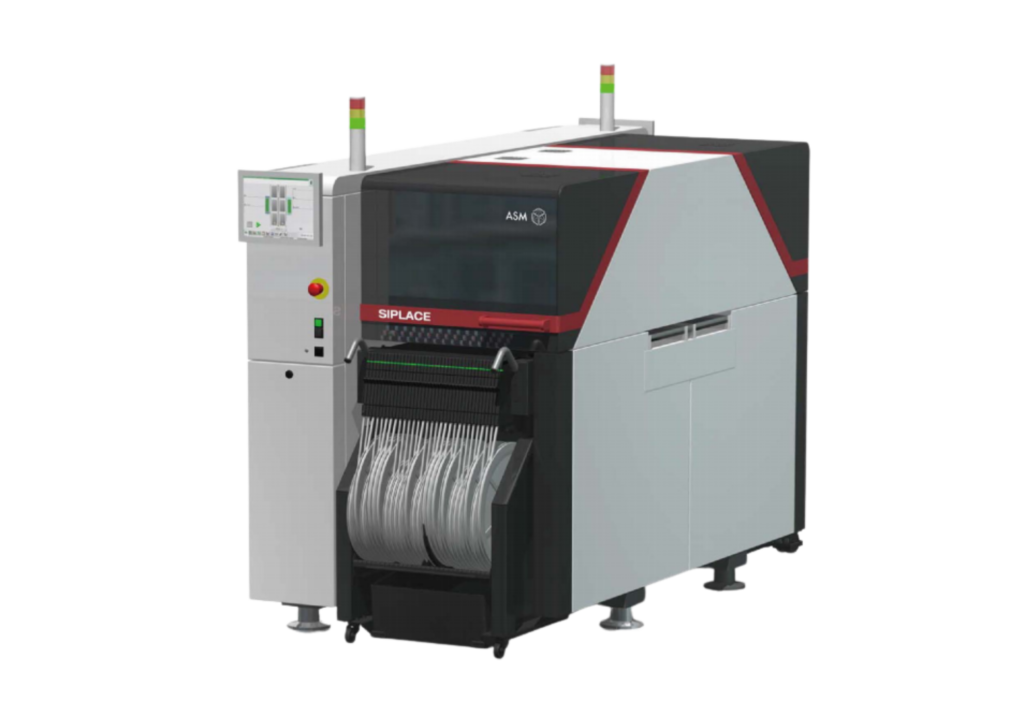
ASMPT (Former Siemens SIPLACE)
ASMPT’s SIPLACE platform is widely recognized for high-mix, low-volume production environments.
Recommended Models
- SIPLACE TX Series
- SIPLACE SX Series
Advantages
- Outstanding flexibility
- Excellent placement accuracy
- Fast feeder changeover
- Advanced software platform
- MES integration
- Comprehensive traceability
Suitable for:
- Medical electronics
- Automotive electronics
- Industrial control
- Aerospace applications
- High-end prototype manufacturing
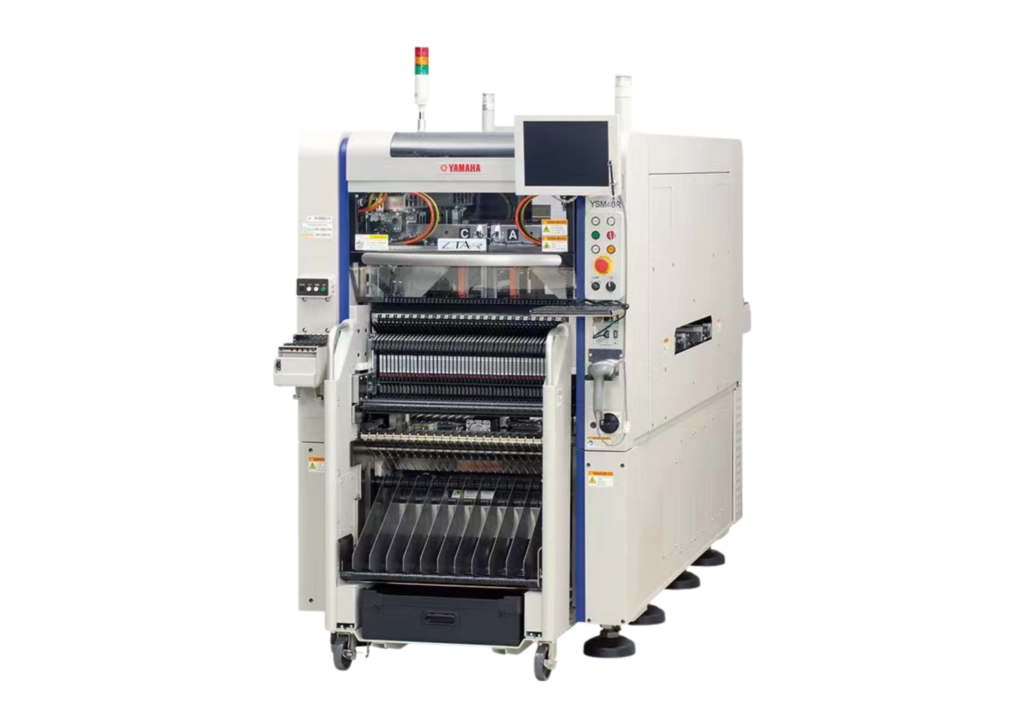
YAMAHA
Yamaha provides a balanced combination of flexibility and affordability.
Advantages
- User-friendly programming
- Flexible feeder management
- Stable performance
- Competitive investment cost
Ideal for:
- EMS providers
- Prototype manufacturers
- Medium-sized factories
Panasonic
Panasonic placement machines are known for reliability and production stability.
Advantages
- High uptime
- Excellent accuracy
- Flexible production capability
- Stable long-term operation
Suitable for:
- Medium-volume prototype production
- NPI projects
- Industrial electronics
JUKI
JUKI offers excellent value for companies entering SMT manufacturing.
Advantages
- Affordable investment
- Easy operation
- Good compatibility with diverse components
- Low maintenance requirements
Ideal for:
- Startups
- R&D laboratories
- Small PCB assembly companies
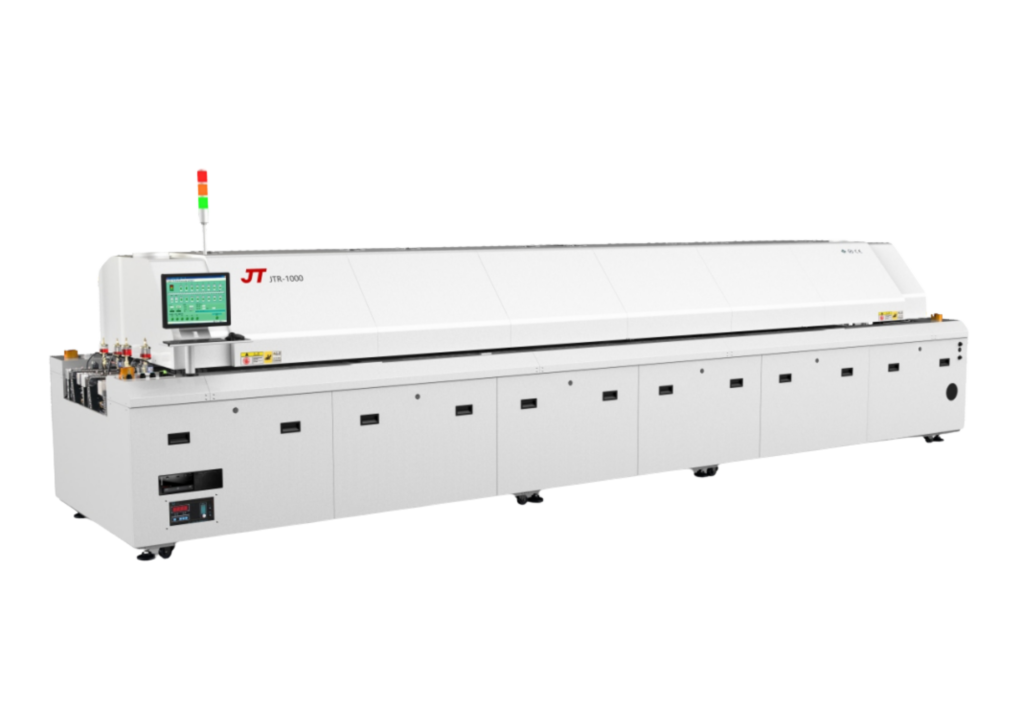
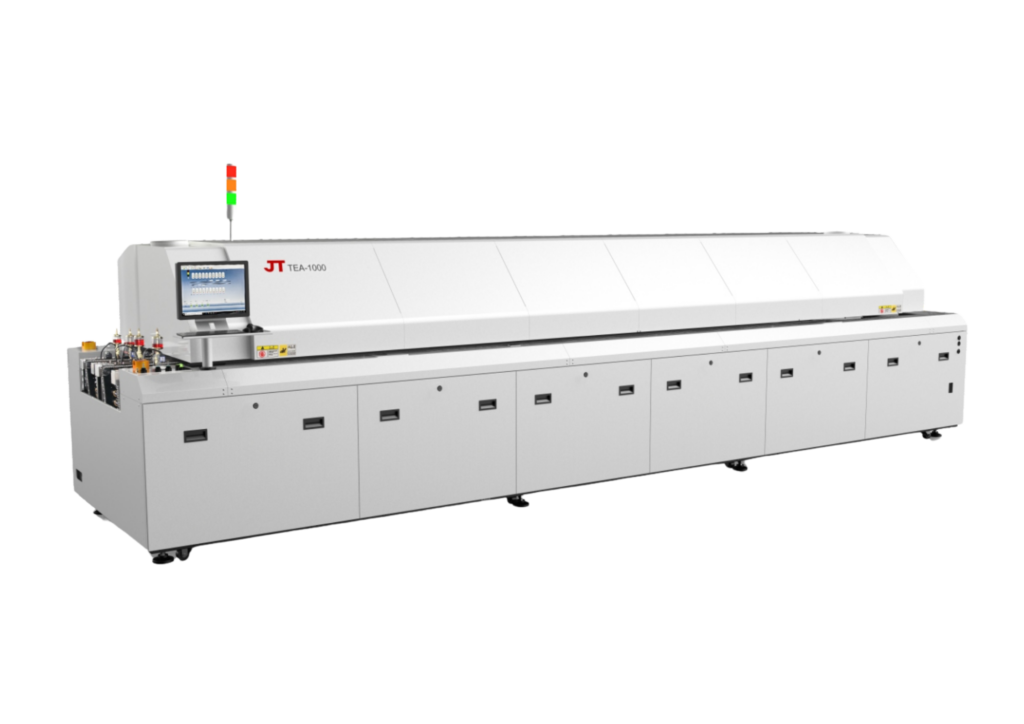
Reflow Oven
Prototype production requires a reflow oven capable of handling frequent recipe changes.
Recommended features include:
- Multi-zone heating
- Stable thermal profile
- Nitrogen reflow option
- Fast profile switching
- Uniform temperature distribution
Stable thermal control minimizes defects such as voiding, tombstoning, and insufficient solder joints.
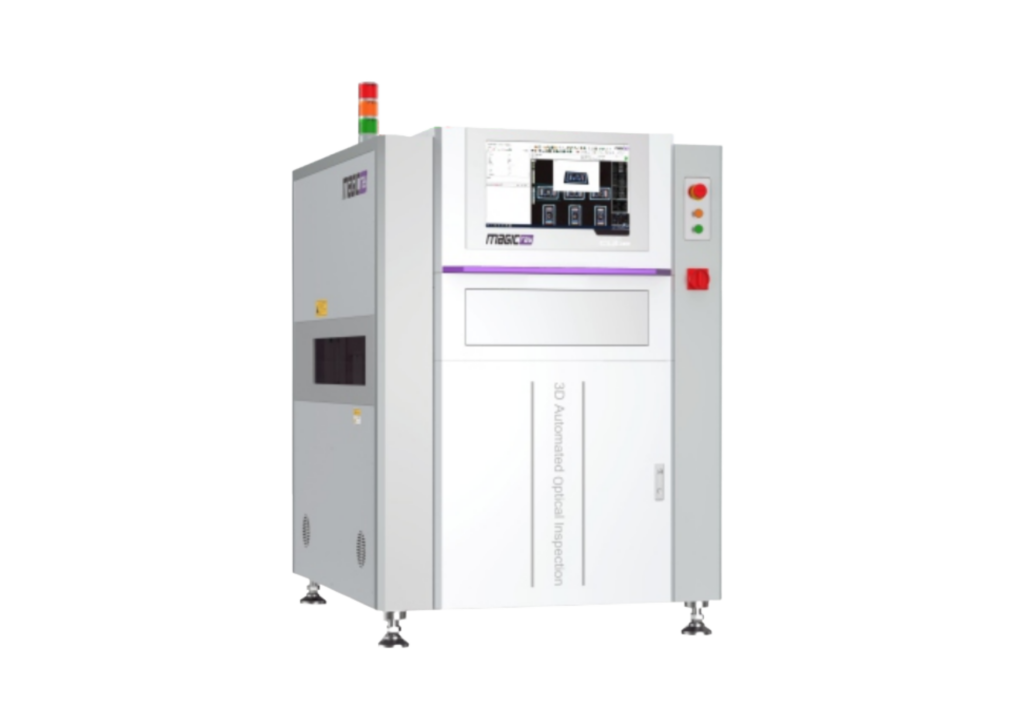
AOI Inspection
Automatic Optical Inspection (AOI) is highly valuable even for prototype production.
AOI systems can detect:
- Missing components
- Wrong components
- Polarity errors
- Misalignment
- Tombstoning
- Solder bridges
Early defect detection shortens debugging cycles and accelerates product validation.
Key Considerations When Choosing an SMT Line for Prototype Production
Flexibility
The SMT line should accommodate multiple PCB types without lengthy changeovers.
Placement Accuracy
High precision is essential for fine-pitch and advanced packages.
Fast Programming
Offline programming and CAD import reduce engineering preparation time.
Component Compatibility
Ensure the equipment supports both miniature chips and large connectors.
Traceability
Even prototype projects increasingly require production data recording for quality analysis.
Future Expansion
Choose scalable equipment that can transition into small or medium-volume production.
Total Cost of Ownership (TCO)
Evaluate:
- Purchase cost
- Maintenance
- Software upgrades
- Spare parts
- Operator training
- Energy consumption
The lowest purchase price does not always provide the best long-term value.
Common Mistakes When Building a Prototype SMT Line
Many manufacturers make costly mistakes during prototype line planning.
These include:
- Purchasing high-speed equipment designed only for mass production
- Ignoring software usability
- Selecting equipment solely based on price
- Skipping SPI inspection
- Underestimating engineering change frequency
- Failing to plan for future production expansion
Working with an experienced turnkey SMT supplier helps avoid these issues and ensures a smoother implementation process.
Why Turnkey SMT Solutions Are Ideal for Prototype Production
A turnkey SMT solution integrates equipment, software, installation, and support into a single package.
Benefits include:
- Faster deployment
- Better equipment compatibility
- One-stop supplier responsibility
- Reduced engineering risks
- Simplified installation
- Easier operator training
- Lower total cost of ownership
For R&D teams and startups, turnkey solutions enable faster product launches and provide a clear upgrade path from prototype production to mass manufacturing.
Frequently Asked Questions
What is prototype SMT production?
Prototype SMT production involves manufacturing small quantities of PCB assemblies for design verification, engineering testing, and product validation before mass production.
What is the best SMT line for prototype PCB assembly?
A flexible SMT line with a multifunction pick-and-place machine, 3D SPI, AOI inspection, and quick changeover capabilities is ideal.
How much does a prototype SMT line cost?
Typical investment ranges from US$50,000 to US$300,000, depending on equipment configuration, automation level, and inspection systems.
Which pick-and-place machine is best for prototype production?
ASMPT (Former Siemens SIPLACE), Yamaha, Panasonic, and JUKI all offer reliable solutions. ASMPT SIPLACE TX and SX Series are especially well-suited for high-mix, high-precision prototype manufacturing.
Is SPI necessary for prototype manufacturing?
Yes. SPI identifies solder paste defects before placement, reducing rework and improving first-pass yield.
Can one placement machine handle all component types?
Modern multifunction placement machines can assemble chips, ICs, BGAs, QFNs, connectors, and many odd-form components.
How much factory space is required?
A compact prototype SMT line typically requires 80–200 m², depending on equipment configuration and material storage requirements.
Can a prototype SMT line be expanded into mass production later?
Yes. Modular SMT equipment allows manufacturers to add high-speed placement machines, conveyors, and inspection systems as production demand grows.
Conclusion
Prototype PCB assembly is the foundation of successful electronic product development. Unlike mass production, prototype SMT manufacturing emphasizes flexibility, precision, and rapid engineering changes rather than maximum throughput.
By selecting the right SMT line—including high-precision printers, multifunction pick-and-place machines, 3D SPI, AOI inspection, and scalable automation—manufacturers can accelerate New Product Introduction (NPI), improve product quality, and reduce development costs.
For companies planning a prototype SMT facility, partnering with an experienced turnkey solution provider ensures a smoother implementation process, minimizes project risks, and creates a scalable production platform that can evolve from prototype assembly to full-scale manufacturing.
About FULIU Electronics
FULIU Electronics specializes in providing turnkey SMT production line solutions for prototype PCB assembly, New Product Introduction (NPI), and flexible electronics manufacturing. Our comprehensive services include factory planning, SMT line layout design, new and refurbished SMT equipment integration, high-precision solder paste printers, SPI and AOI inspection systems, multifunction pick-and-place machines, reflow soldering solutions, installation, training, and global technical support.
With extensive experience serving customers across medical electronics, automotive electronics, industrial control, IoT, and consumer electronics industries, FULIU helps manufacturers build flexible, reliable, and scalable SMT production lines that accelerate innovation while maximizing long-term return on investment.