
Building or upgrading an SMT production line is a major investment decision for electronics manufacturers. Whether you are establishing a new PCB assembly factory or expanding existing production capacity, choosing between new SMT equipment and used SMT equipment directly impacts production efficiency, operating costs, product quality, and long-term profitability.
Many overseas factory investors and procurement managers face the same question:
Should we invest in brand-new SMT machines, or can used SMT equipment provide a better return on investment?
The answer depends on multiple factors, including production volume, product complexity, budget, future expansion plans, and technical support requirements.
In this guide, we will compare new vs used SMT equipment in detail and help manufacturers make more informed decisions for SMT factory setup and PCB assembly production.
What is New SMT Equipment?
New SMT equipment refers to brand-new PCB assembly machines supplied directly from manufacturers or authorized SMT machine suppliers.
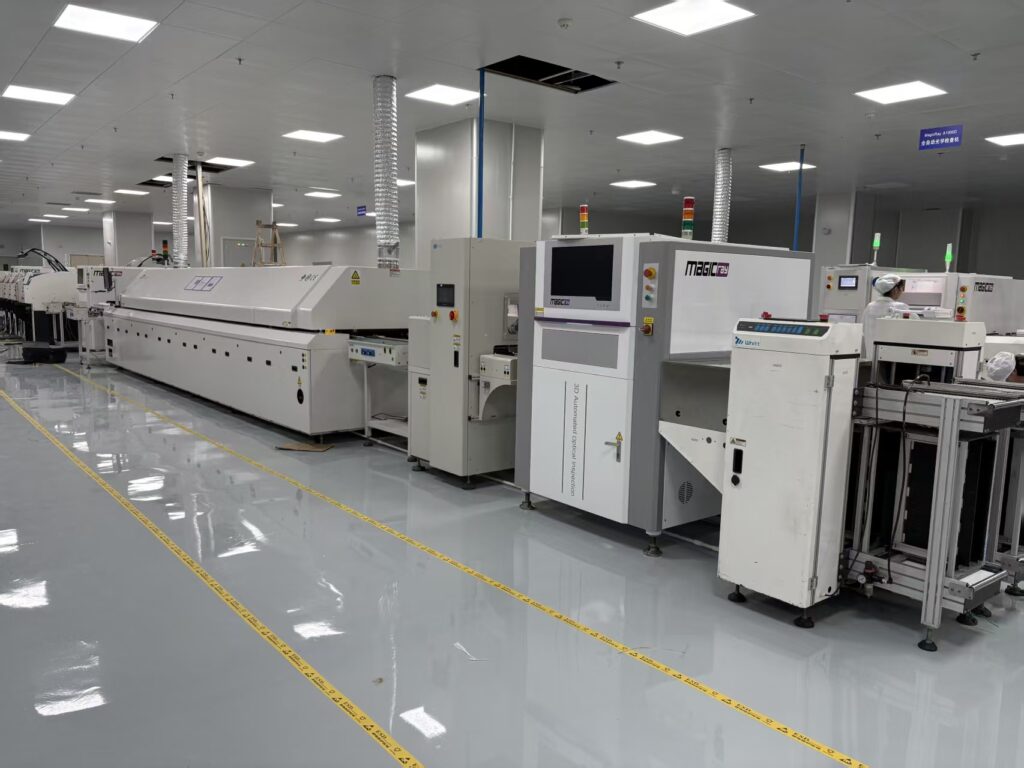
Typical new SMT equipment includes:
SPI systems
reflow ovens
AOI inspection systems
conveyors and automation systems
Modern SMT production equipment often supports Industry 4.0 integration, smart factory connectivity, and advanced automation functions.
Advantages of New SMT Equipment
Higher Production Stability
New SMT machines usually provide:
- more stable performance
- lower failure rates
- improved placement accuracy
This is especially important for high-volume electronics manufacturing.
Latest Technology
New machines support:
- ultra-fine pitch components
- 01005 placement capability
- advanced software integration
- smart factory systems
These technologies improve production flexibility and efficiency.
Better Technical Support
New equipment suppliers typically provide:
- warranty coverage
- installation support
- operator training
- spare parts availability
- software updates
Longer Equipment Lifespan
New SMT equipment can typically operate efficiently for many years with proper maintenance.
Disadvantages of New SMT Equipment
Higher Initial Investment
New SMT production lines require larger upfront investment.
For example:
- high-speed pick and place machines
- advanced AOI systems
- intelligent storage systems
can significantly increase project cost.
Longer ROI Cycle
Although new equipment improves productivity, the return on investment period may be longer.
Typical Applications of New SMT Equipment
New SMT equipment is commonly used in:
- automotive electronics
- consumer electronics manufacturing
- medical electronics
- high-volume EMS factories
- smart factory projects
What is Used SMT Equipment?
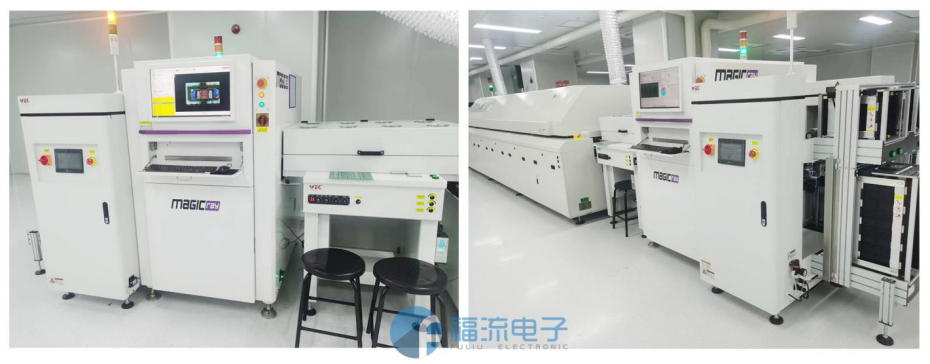
Used SMT equipment refers to previously operated SMT machines that are refurbished, resold, or upgraded for secondary use.
Common used SMT equipment includes:
- used pick and place machines
- used reflow ovens
- used printers
- used AOI systems
Many factories choose used SMT equipment to reduce startup investment costs.
Advantages of Used SMT Equipment
Lower Investment Cost
Used SMT equipment can cost significantly less than new machines.
This helps:
- startup factories
- small manufacturers
- low-budget projects
reduce initial investment pressure.
Faster ROI
Lower purchase cost often results in quicker payback periods.
Suitable for Small Batch Production
Factories with lower production volumes may not require the latest SMT technologies.
Disadvantages of Used SMT Equipment
Higher Maintenance Risk
Older machines may experience:
- increased downtime
- worn mechanical parts
- unstable operation
Limited Spare Parts Availability
Some older models may no longer have sufficient spare parts support.
Software Compatibility Issues
Older SMT systems may not support:
- modern production software
- Industry 4.0 integration
- advanced traceability systems
Shorter Remaining Lifespan
Used equipment usually has a shorter operational lifespan compared to new machines.
Which Factories Should Choose New SMT Equipment?
High-Volume Manufacturing
Factories producing large quantities of PCBs benefit from:
- higher production speed
- stable automation
- reduced downtime
Automotive Electronics Manufacturing
Automotive PCB assembly requires:
- strict quality standards
- advanced traceability
- stable inspection systems
New SMT equipment is often necessary.
High-End Consumer Electronics
Smartphones, wearable devices, and communication products require:
- ultra-high precision
- miniaturized component handling
- advanced inspection capability
Smart Factory Projects
Factories planning Industry 4.0 implementation should consider new SMT systems with intelligent software integration.
Long-Term Expansion Plans
New SMT production lines are better suited for future capacity expansion.
Which Factories Should Choose Used SMT Equipment?
Startup SMT Factories
New factories with limited capital often choose used SMT equipment to reduce investment risk.
Prototype Production
Prototype assembly and low-volume production typically do not require the latest high-speed equipment.
Small Batch Manufacturing
Factories producing specialized or low-volume products may benefit from lower-cost equipment.
Budget-Conscious Projects
Used SMT equipment can help companies enter the PCB assembly market faster.
Key Factors Before Buying SMT Equipment
Production Requirements
Evaluate:
- production volume
- product type
- placement speed requirements
PCB Complexity
Fine-pitch PCB assembly may require advanced placement systems.
Future Expansion Capability
Choose equipment that supports future production growth.
Technical Support
Reliable technical support is critical for minimizing downtime.
Spare Parts Availability
Always confirm long-term spare parts supply.
Supplier Reliability
Work with experienced SMT machine suppliers that provide:
- testing
- refurbishment
- installation support
- after-sales service
Common Mistakes When Buying Used SMT Equipment
Focusing Only on Low Price
Low-cost machines may create higher maintenance costs later.
Ignoring Machine Condition
Always inspect:
- placement accuracy
- software condition
- feeder compatibility
- maintenance history
Lack of Software Support
Outdated software may reduce production flexibility.
No Spare Parts Support
Machines without spare parts support create long-term operational risks.
No Technical Service Support
Without professional service support, troubleshooting becomes difficult.
How to Reduce Investment Risk
Optimize Factory Layout
Efficient SMT line layout improves productivity and material flow.
Select Proper Line Configuration
Avoid over-investment or under-capacity.
Choose Reliable Suppliers
Experienced suppliers help reduce project risks.
Evaluate Total Operating Cost
Do not focus only on purchase price.
Consider:
- maintenance cost
- energy consumption
- downtime risk
- labor efficiency
Test Equipment Before Shipment
Always perform machine testing and production verification.
Real-World Application Scenarios
EMS Factories
Large EMS manufacturers often combine:
- new high-speed placement machines
- used secondary equipment
to optimize ROI.
LED Manufacturing
LED PCB assembly lines often use cost-effective SMT configurations.
Consumer Electronics Production
High-end consumer electronics typically require advanced new SMT equipment.
Automotive PCB Assembly
Automotive electronics usually demand highly stable and traceable SMT systems.
Why Turnkey SMT Solutions Matter
Building an SMT factory involves more than purchasing machines.
A turnkey SMT solution provider can help with:
- factory layout planning
- equipment matching
- installation and commissioning
- production optimization
- operator training
This reduces investment risk and improves production efficiency.
About FULIU Electronics
FULIU Electronics is a professional provider of SMT and PCBA production line solutions for global electronics manufacturers.
We provide:
- turnkey SMT production line solutions
- new and used SMT equipment supply
- factory layout planning
- installation and training support
- global delivery and after-sales service
Our team helps customers build cost-effective, reliable, and scalable PCB assembly factories based on their production goals and investment budgets.
Whether you need a fully automatic high-speed SMT line or an affordable startup SMT solution, we can help you choose the right equipment configuration for long-term manufacturing success.
Conclusion
Both new SMT equipment and used SMT equipment have unique advantages and limitations.
New SMT machines provide:
- higher stability
- advanced automation
- longer lifespan
- smart factory compatibility
Used SMT equipment offers:
- lower initial investment
- faster ROI
- flexible entry into PCB assembly manufacturing
The best choice depends on your production requirements, budget, factory strategy, and long-term business goals.
Before making a decision, manufacturers should carefully evaluate production needs, technical support, future expansion capability, and total operating cost.
Working with an experienced SMT solution provider can significantly reduce investment risk and improve factory success.
Contact FULIU Electronics today to get a customized SMT production line solution for your factory.